Centre agrees to elected body for Ladakh with special constitutional protections
Union home ministry and Ladakh political groups have reached consensus on establishing a directly elected territorial administration with enhanced powers. Special safeguards similar to Article 371 may be introduced to protect the region's interests.

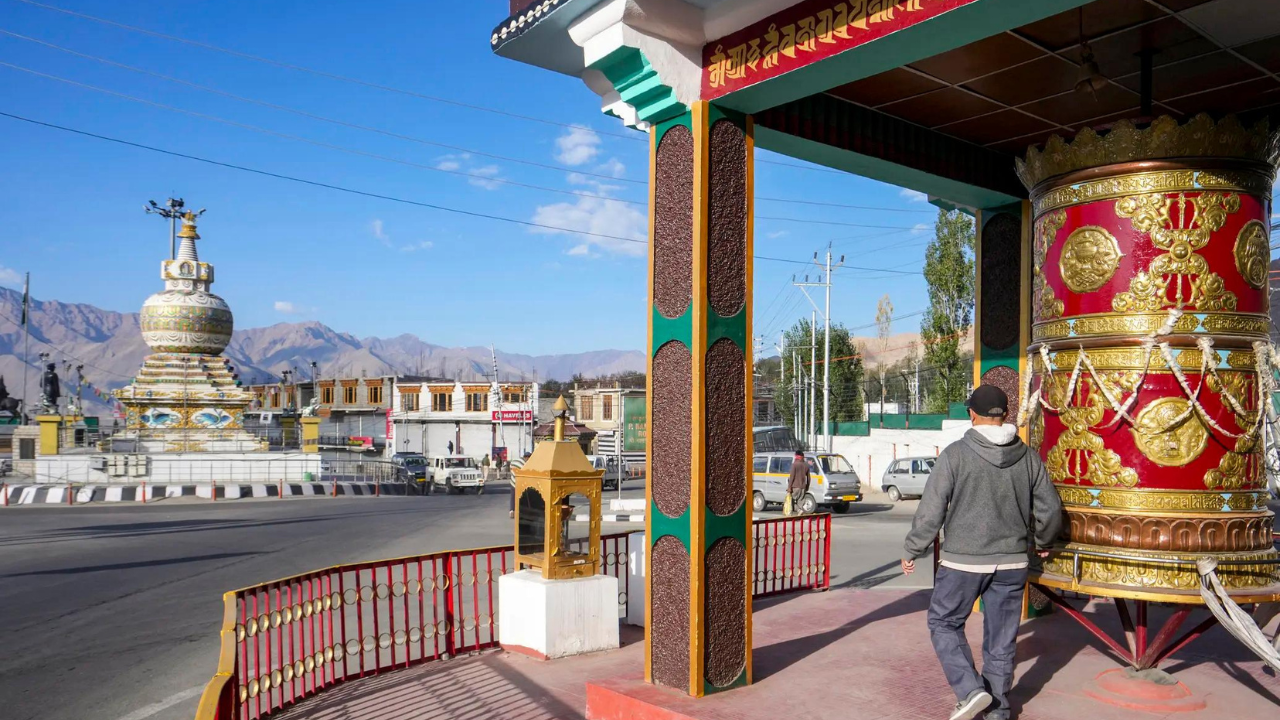
The Union home ministry and political representatives from Ladakh have made significant progress in discussions aimed at strengthening governance in the Union Territory, according to sources familiar with the talks. During an informal meeting held recently, both sides agreed in principle to establish an elected body at the territorial level with substantial administrative and legislative powers.
Official statements indicate that officials from the Union home ministry engaged with Ladakh's political groups in constructive dialogue. The discussions resulted in finalized draft minutes documenting the agreed positions from previous rounds of negotiations. Both parties expressed optimism about the direction of talks and indicated that a resolution addressing Ladakh's governance concerns appears achievable in the near term.
A key development from the negotiations is the agreement to create a directly elected territorial administration with enhanced authority over regional matters. While statehood remains a longer-term objective for Ladakh's political leadership, the establishment of this elected body represents a significant step forward in devolving greater decision-making power to local representatives. Officials confirmed that the new structure will grant the territorial government meaningful control over matters affecting the region's development and governance.
Crucially, both the home ministry and Ladakh's political groups have been discussing customized constitutional safeguards tailored specifically to Ladakh's unique circumstances and requirements. These protections are being modeled on the framework of Article 371, which provides special provisions for certain states to preserve their cultural, linguistic, and regional interests. Such safeguards would ensure that Ladakh's distinct identity and governance structures receive constitutional protection within the Indian framework.
The positive outcome of these discussions reflects a collaborative approach to resolving long-standing governance issues in Ladakh. Political analysts note that the agreement to establish an elected body with special constitutional protections addresses key demands raised by Ladakh's representatives over several years. The swift pace of these negotiations suggests that formal announcements regarding the new governance structure could come within the coming months, pending final approvals from relevant government bodies and potential parliamentary procedures required for constitutional modifications.