World Meteorological Organisation warns of rapid El Niño development threatening monsoon
The World Meteorological Organisation has flagged accelerating El Niño conditions expected between July and September, threatening to intensify heatwaves and droughts globally. India faces mounting agricultural stress as June rainfall plunged 40% below normal, damaging kharif crop sowing prospects.

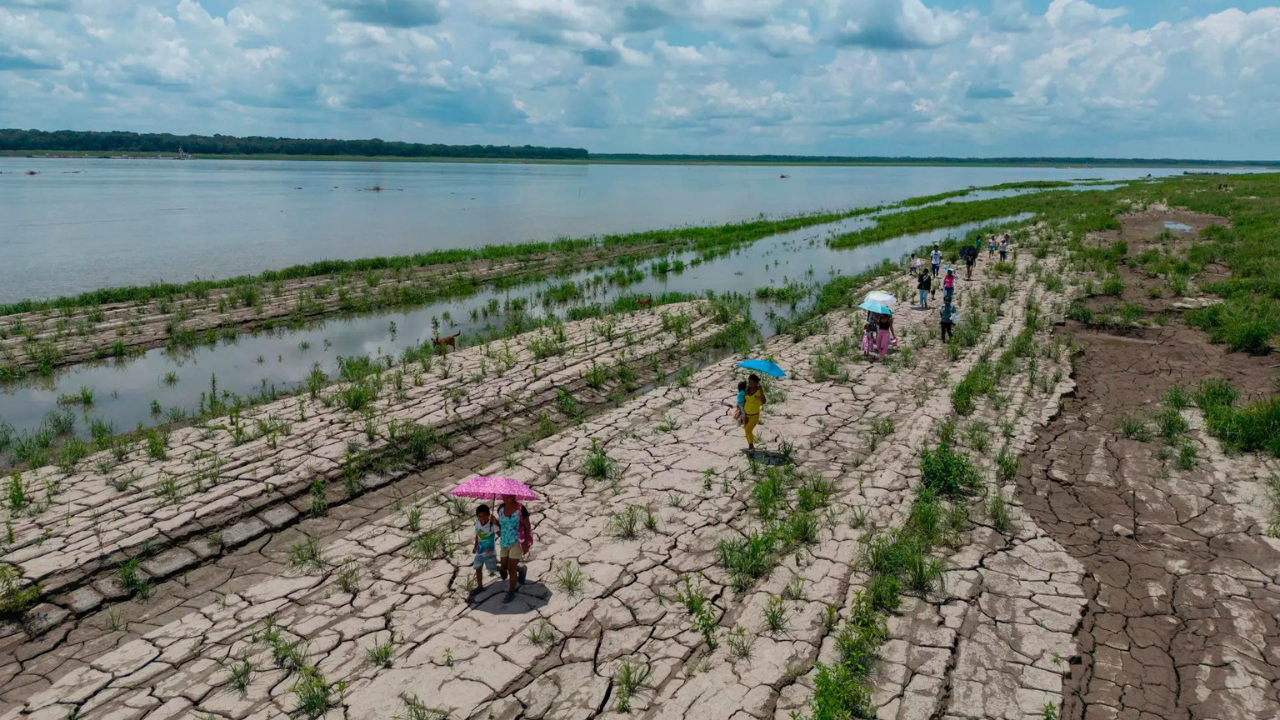
Global weather experts have sounded an alarm over the rapid intensification of El Niño conditions expected to unfold during the July-to-September period, with implications for extreme weather patterns worldwide and particular concern for India's agricultural sector.
The World Meteorological Organisation (WMO) has cautioned that the accelerating El Niño phenomenon will likely amplify heat stress and precipitation deficits across multiple regions, threatening food security and water availability. The warning comes as India grapples with an alarming monsoon deficit that has already begun cascading into agricultural challenges. June precipitation fell drastically short of seasonal expectations, registering a 40% shortfall compared to historical averages. This rainfall collapse has directly disrupted kharif crop sowing, the primary agricultural cycle for India's farmers, with total sowing acreage contracting by 23% compared to the corresponding period last year.
El Niño, a warm ocean current phenomenon in the tropical Pacific, disrupts global atmospheric circulation patterns and suppresses monsoon intensity over the Indian subcontinent. The rapid development flagged by the WMO suggests the typical weakening of southwest monsoon winds will accelerate, compounding the rainfall deficit already observed in June. Agricultural economists warn that rain-fed farming regions, which account for a substantial portion of India's cultivated area and employ millions of smallholder farmers, face heightened vulnerability. Insufficient moisture during critical sowing and establishment phases threatens crop yields, fodder availability, and rural incomes.
The agricultural implications extend beyond immediate crop damage. Reduced kharif productivity could tighten food grain supplies and inflate commodity prices in subsequent months. Water reservoirs, already stressed by below-normal summer rainfall, face further depletion if the monsoon deteriorates further. Urban and rural water security concerns are mounting across rain-dependent states and regions.
Meteorologists indicate that atmospheric conditions supporting El Niño development remain entrenched, with sea surface temperatures and wind patterns continuing their characteristic shift. Agricultural departments across India are advising farmers to adopt drought-resilient crop varieties and optimise irrigation strategies to mitigate losses. The coming three months will be critical in determining whether rainfall patterns stabilise or deteriorate further, shaping agricultural output and food price trajectories for the remainder of the financial year.