Child's Viral Video Criticizing J&K Minister Triggers Privacy Row
Twelve-year-old's video complaint about summer vacations sparks child welfare investigation and removal orders.

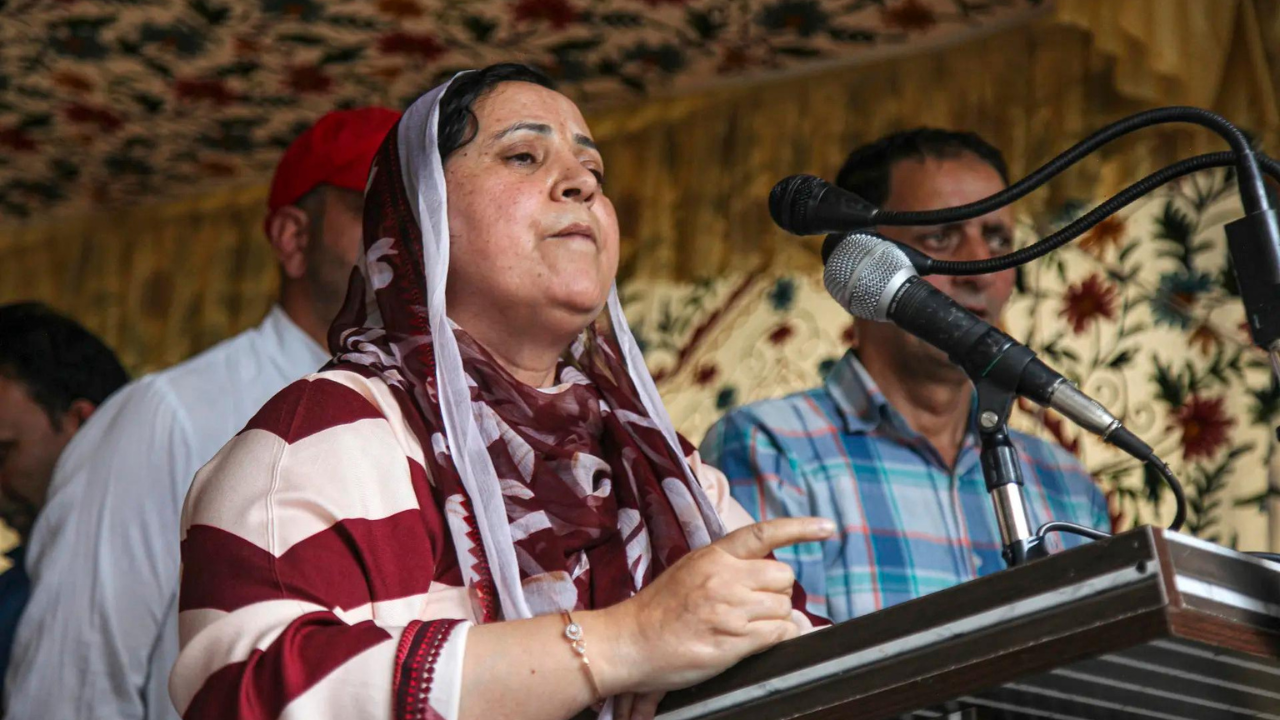
A video featuring a 12-year-old student questioning Jammu and Kashmir's Education Minister Sakina Itoo over delayed summer vacation announcements has ignited a significant controversy across Kashmir. The footage, which spread widely on social media, prompted swift action from multiple authorities concerned about the child's identity protection and welfare.
The Child Welfare Committee has taken serious notice of the incident, arguing that the news portal published the video without obtaining proper parental consent. Following this, the CWC has issued directives to remove the content from all platforms and filed a formal complaint, emphasizing that the child's privacy and safety were compromised. Religious leaders in Kashmir, including the chief cleric, have also weighed in, criticizing the tone and manner of the young student's public criticism.
The controversy highlights the growing tension between transparency and child protection in the digital age. While the student raised concerns about educational scheduling that affect thousands of children, authorities prioritized safeguarding the minor's identity and personal information. This incident reflects broader questions about how criticism of public officials should be handled when minors are involved.
The case has drawn attention to the responsibilities of media outlets when reporting on children and the importance of obtaining proper permissions before sharing content featuring minors. The CWC's intervention suggests that despite the child's attempt to voice legitimate concerns, the method of publication violated established protocols designed to protect vulnerable populations.
This situation underscores the complex balance between encouraging young people to engage civically and ensuring their protection from potential backlash or exploitation. The authorities' response indicates that procedural compliance and child welfare standards must precede public discourse, even when addressing issues of public interest.