Croatia's Late Goal Against Portugal Disallowed After VAR Reviews Disputed Ball Touch
Croatia's stoppage-time equaliser against Portugal was ruled out after VAR officials used advanced ball sensor technology to determine an offside player had touched the ball. The controversial decision sparked fury among Croatian players and supporters.

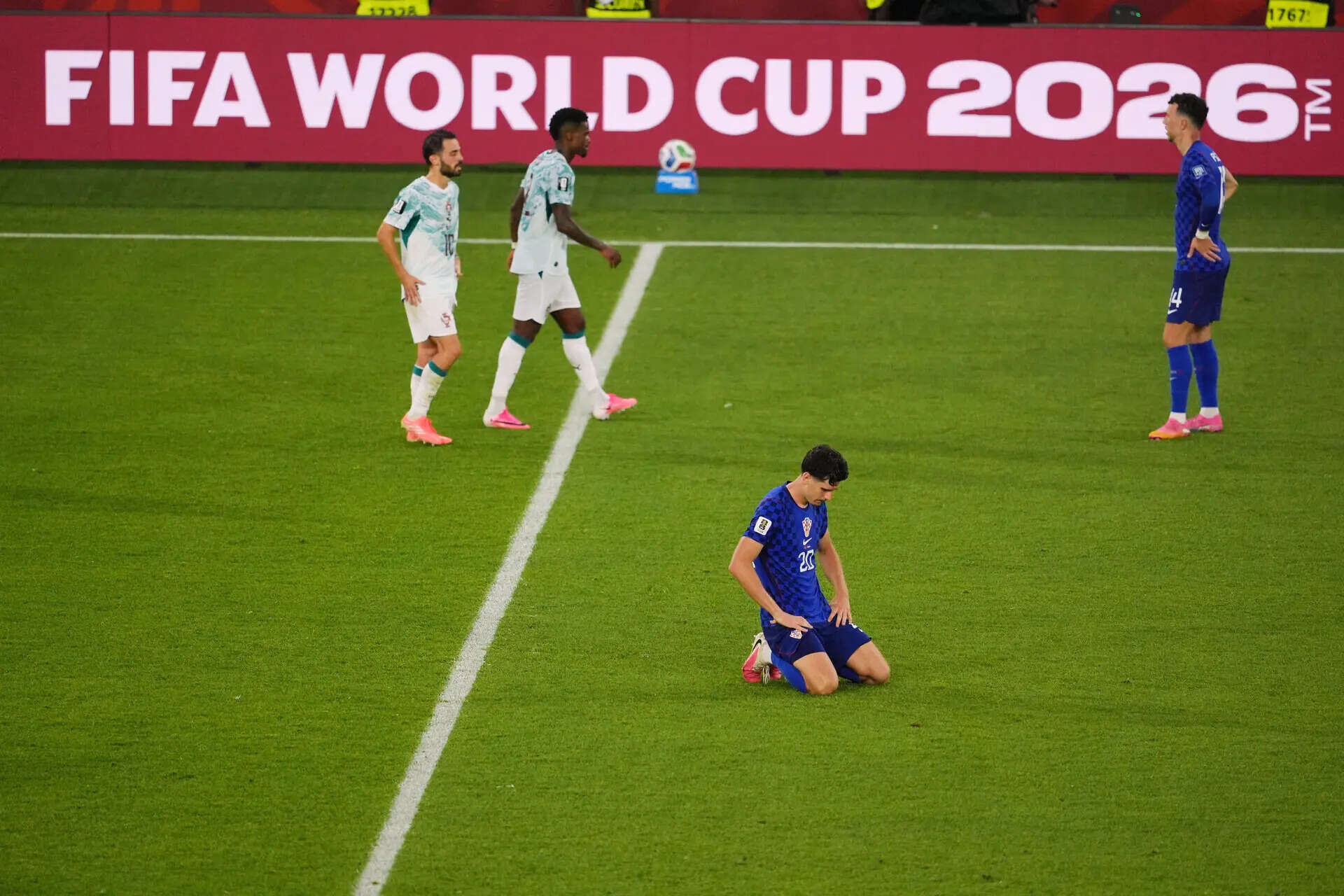
Croatia's hopes of salvaging a draw against Portugal in their recent international fixture came to a dramatic end in the 103rd minute when officials ruled out what would have been an equalising goal following a detailed VAR review. The decision, which relied on cutting-edge ball sensor technology, has ignited considerable debate about the application of video assistant referee protocols in modern football.
The controversial incident unfolded during stoppage time when Croatian defender Josko Gvardiol appeared to find the back of the net with what looked like a legitimate equaliser. However, VAR officials intervened and initiated a thorough examination of the play. Upon review, they determined that offside player Mario Pasalic had made a slight touch on the ball before it reached Gvardiol, thereby invalidating the goal under football's offside regulations.
To reach this conclusion, match officials employed "Snicko" technology—a sophisticated ball sensor system designed to detect even the most minute contact with the football. The system uses advanced tracking capabilities to identify microsecond-level touches that might be invisible to the human eye. In this case, the sensor indicated that Pasalic had indeed made contact with the ball while in an offside position, which technically meant the goal should not stand according to the Laws of the Game.
The disallowance provoked an immediate and sharp reaction from the Croatian camp. Players, coaches, and supporters expressed their displeasure with the decision, viewing the reliance on such marginal contact detection as overly pedantic and contrary to the spirit of football. Many felt that the use of ultra-precise technology to penalise what appeared to be an incidental touch represented a troubling direction for the sport's governance.
This incident raises broader questions about how much precision technology should dictate crucial match outcomes. While VAR was introduced to correct clear and obvious errors, critics argue that employing sensors to detect imperceptible contact threatens to turn football into a game decided by machines rather than human judgment. The Croatian team's frustration reflects a growing sentiment among fans and analysts that such marginal calls undermine the sport's natural flow and entertainment value.
The decision stands as the latest example of how technological advancement in football continues to generate controversy, particularly when applied to the fine margins of the beautiful game.