India's P-8I Naval Aircraft Joins World's Largest Maritime Exercise
Indian Navy deploys advanced P-8I aircraft to participate in RIMPAC, the globe's premier naval drill.

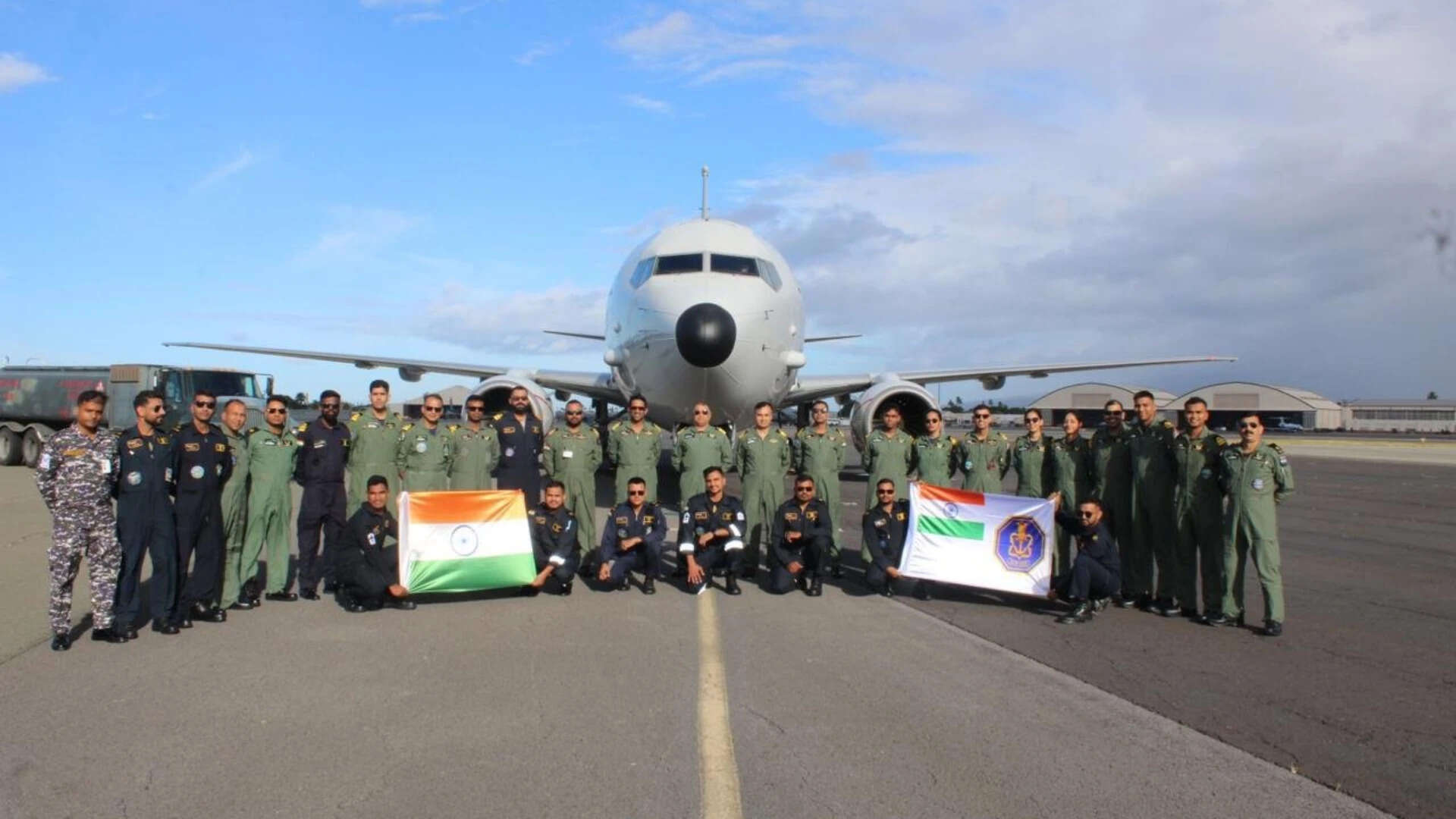
India's maritime presence at RIMPAC, the world's largest naval exercise hosted by the United States, has been strengthened with the deployment of its advanced P-8I aircraft. The triennial event, held under the theme 'Partners: Integrated and Prepared,' brings together thirty nations in coordinated maritime operations designed to test interoperability and operational readiness across diverse geographies and scenarios.
The P-8I, a sophisticated anti-submarine and maritime patrol aircraft, represents India's growing technological capabilities and commitment to multinational naval cooperation. This participation underscores the deepening defence partnership between New Delhi and Washington, extending beyond traditional military domains into humanitarian assistance and disaster relief operations. The exercise demonstrates how allied navies conduct joint training in complex operational environments.
RIMPAC serves as a critical platform for naval powers to strengthen their collective maritime security posture. Through coordinated training scenarios ranging from anti-piracy operations to search-and-rescue missions, participating nations build vital operational synergies. India's involvement reflects its strategic interests in maintaining freedom of navigation and maritime stability across the Indo-Pacific region.
The deployment carries significance for India's 'Act East' policy and its broader vision of emerging as a net security provider in the Indian Ocean. By engaging alongside major global navies, India enhances its tactical expertise while signalling its commitment to rules-based international order. Such exercises also boost bilateral defence ties and create opportunities for knowledge exchange among participating naval forces.
India's regular participation in RIMPAC reinforces its role in shaping contemporary maritime security frameworks. The event allows Indian naval personnel to learn best practices from established naval powers while contributing their own operational experience. This collaborative approach strengthens regional stability and promotes peaceful resolution of maritime disputes.
Source: Times of India