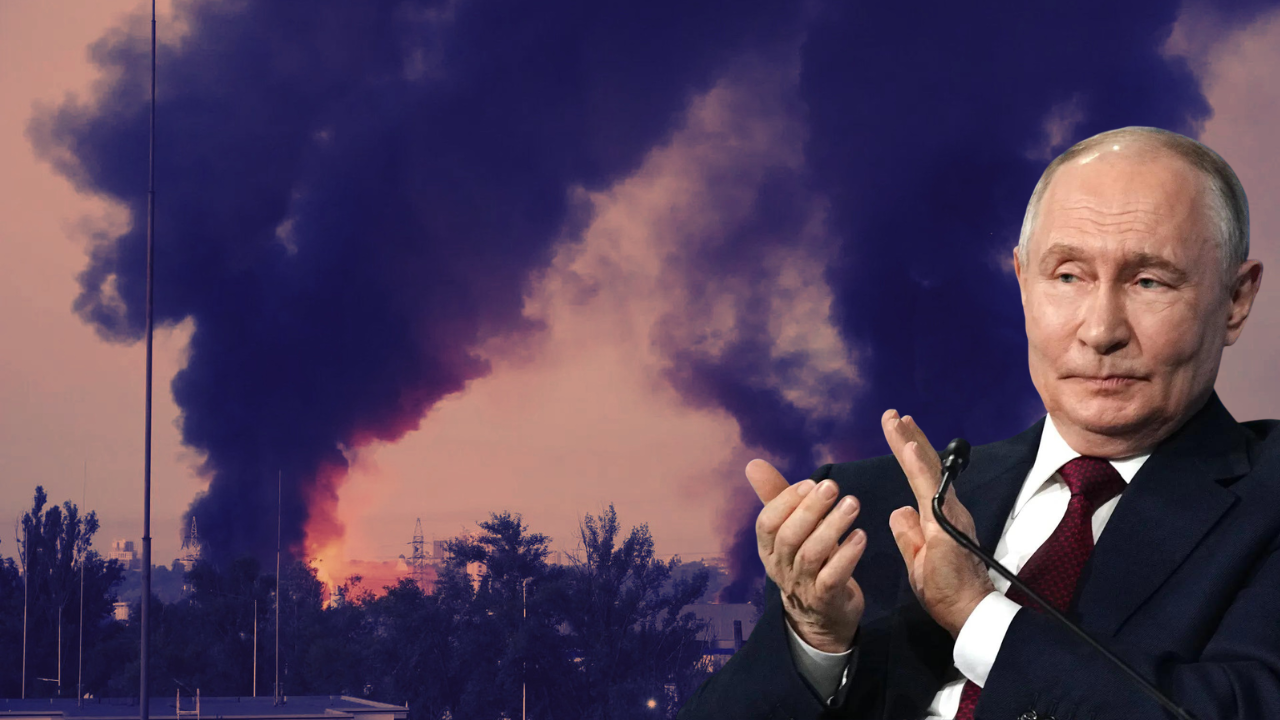
NATO to Classify Russia as Strategic Threat Amid Ukraine Crisis
NATO poised to designate Russia as long-term security threat following escalated military operations in Ukraine.

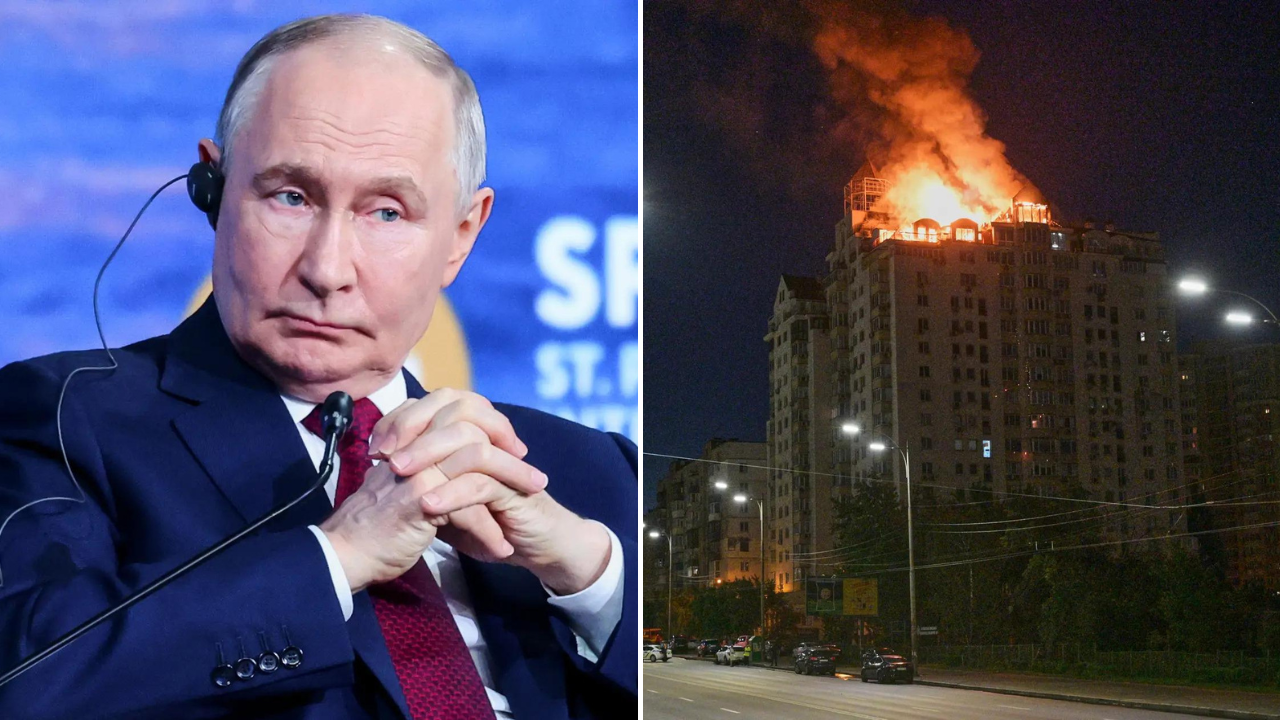
NATO is preparing to officially categorize Russia as a sustained strategic threat to the alliance, according to reports emerging from alliance headquarters. This significant policy shift comes as Russian military operations against Ukraine intensify, forcing the Western military bloc to reassess its security posture and long-term defense strategy.
The declaration represents a fundamental change in NATO's approach toward Moscow, moving beyond temporary concerns to acknowledge Russia's enduring challenge to European and global stability. Alliance officials are coordinating the formal announcement, which will likely be presented during upcoming NATO summits and strategic reviews. This designation signals NATO's commitment to maintaining heightened defensive capabilities and coordinated responses to Russian aggression.
The timing of this declaration underscores growing concerns within NATO member states about Russia's military modernization, aggressive posturing, and continued violations of international law. Ukraine's ongoing conflict with Russia has galvanized Western nations to strengthen their collective security arrangements and bolster support for Kyiv. Multiple NATO members have increased defense spending and weapons supplies to Ukraine in response to Russian military advances.
For India and the global community, this NATO decision reflects deepening divisions between Western powers and Russia, with implications for international stability and geopolitical alignment. The formal threat designation may accelerate NATO expansion efforts and lead to increased military presence in Eastern Europe, further straining Russia-West relations.
The declaration is expected to shape NATO's defense planning for years to come, with member nations likely to enhance their military readiness and intelligence-sharing mechanisms. This development marks a pivotal moment in post-Cold War European security architecture, reshaping strategic priorities and alliance commitments across the Atlantic region.