Delhi's Aggressive EV Push May Create Challenges for India's Auto Sector
Delhi's ambitious electric vehicle policy could strain automakers if other states follow suit.

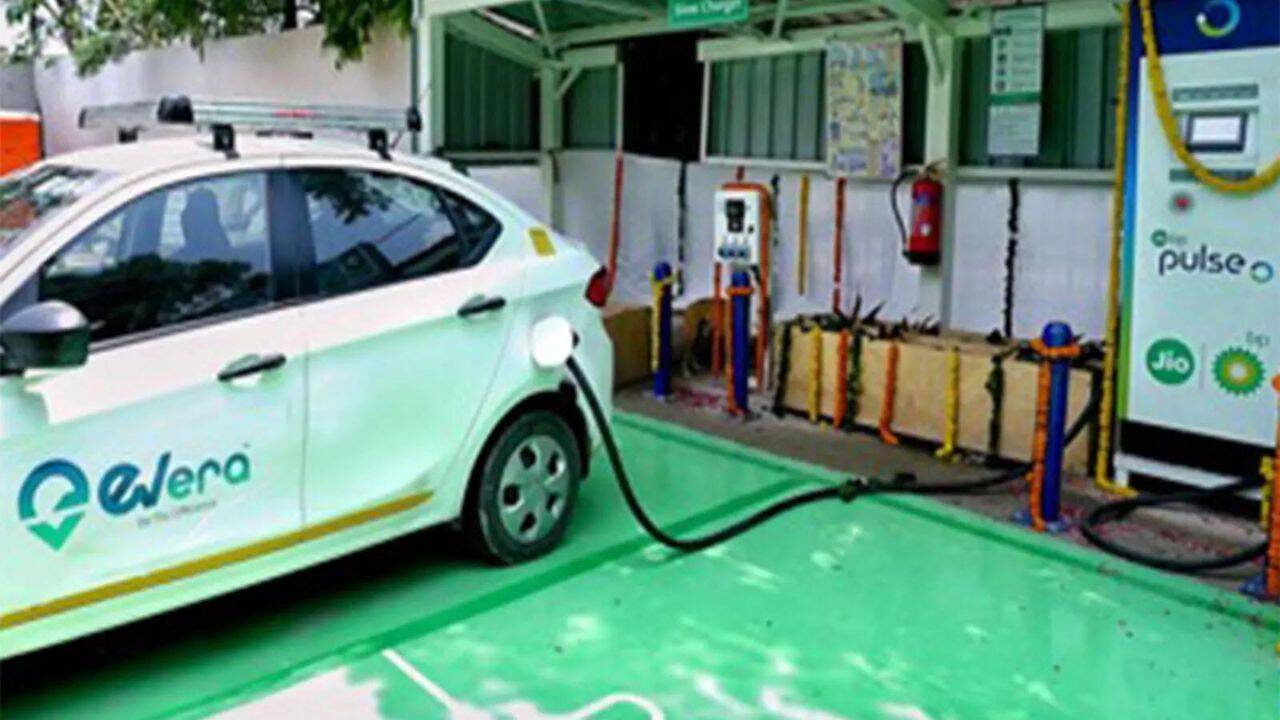
Delhi's newly unveiled Electric Vehicle Policy for 2026 sets an aggressive timeline for clean mobility adoption, potentially reshaping India's automotive landscape if replicated across other states. The policy mandates a complete phase-out of petrol and compressed natural gas two-wheelers by April 2028, while requiring all three-wheelers to transition to electric power from 2027 onwards. These targets represent one of India's most stringent EV mandates to date.
To facilitate this transition, the Delhi government is allocating Rs 70 billion in direct financial incentives for consumers and plans to establish over 30,000 charging infrastructure points across the capital. These measures aim to make electric vehicles more affordable and accessible to the general public while addressing range anxiety concerns through expanded charging networks.
However, a recent Morgan Stanley analysis raises significant concerns about the broader implications of such policies. If other state governments adopt similar aggressive timelines and mandates, the automotive industry may face substantial supply chain pressures and manufacturing challenges, particularly in the two-wheeler segment where production capacity remains limited. India's two-wheeler market is among the world's largest, and rapid electrification without adequate infrastructure could create bottlenecks.
The policy's success will largely depend on the industry's ability to scale up manufacturing capabilities and the government's commitment to supporting charging infrastructure development. Other states considering similar policies must carefully balance environmental goals with market realities. Industry stakeholders are urging policymakers to coordinate implementation strategies to ensure smooth market transitions.
Experts suggest that while Delhi's initiative demonstrates India's commitment to tackling vehicular emissions, a more gradual, coordinated national approach across states could prevent supply disruptions and ensure sustainable long-term adoption of electric mobility solutions.
Source: Times of India