Thali Removal Alone Insufficient for Divorce, Says Madras High Court
Court grants divorce on mental cruelty grounds, clarifies symbolic acts require contextual evidence.

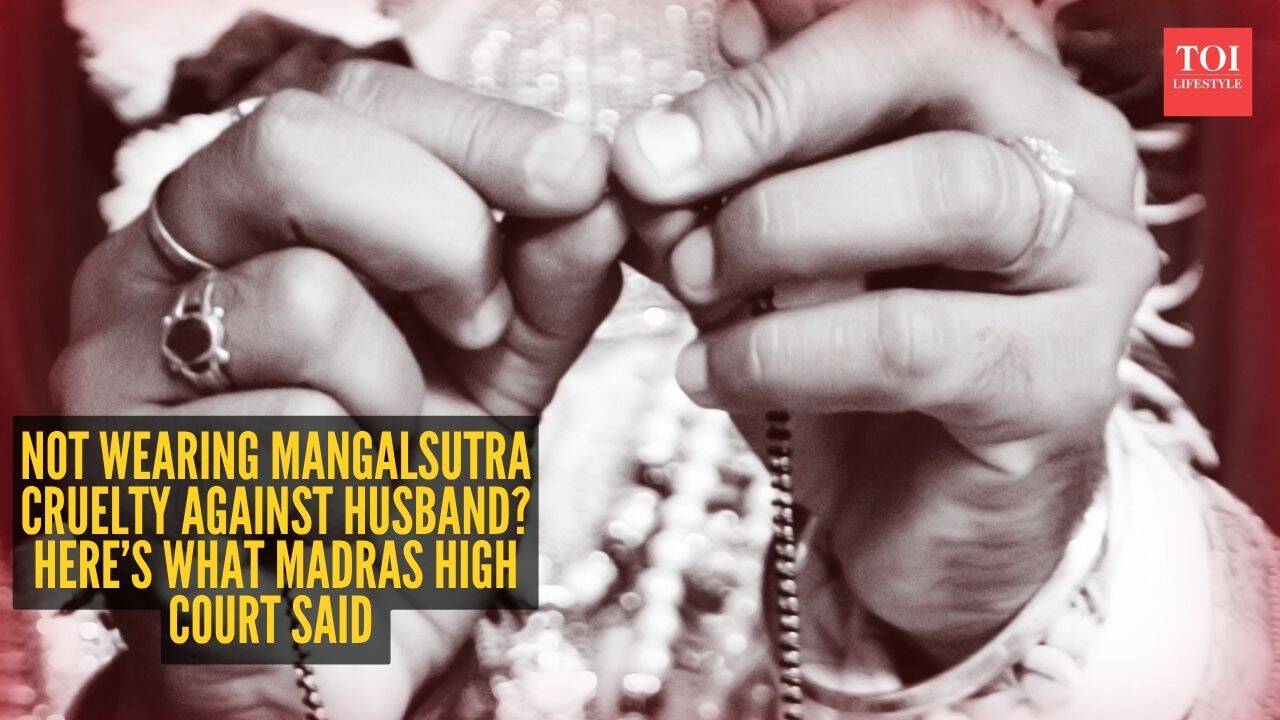
The Madras High Court has delivered a significant ruling on divorce proceedings, granting separation to a husband on the grounds of mental cruelty while establishing important legal precedent about what constitutes valid divorce evidence. The judgment clarifies that removing a thali chain—a sacred symbol in Hindu marriages—cannot independently justify dissolution of marriage, despite being culturally significant.
The court acknowledged that while the wife had indeed removed her thali during the separation period, this singular act does not meet the legal threshold for divorce. However, the judges found that the removal, when considered alongside other factors such as public accusations levelled by the wife and the couple's prolonged physical separation, painted a comprehensive picture of irretrievable breakdown in the marriage.
This ruling carries important implications for Indian family law, particularly in South India where the Madras High Court's decisions influence judicial practice. It emphasizes that courts must examine the totality of circumstances rather than relying on isolated symbolic actions. The judgment reflects judicial sensitivity to both traditional cultural practices and contemporary relationship dynamics.
The decision underscores that mental cruelty—encompassing emotional distress, public humiliation, and hostile conduct—remains a valid ground for divorce under Hindu Marriage Act provisions. The court's approach demonstrates a balanced perspective, respecting cultural symbols while prioritizing evidence-based reasoning in matrimonial disputes.
Family law experts note this ruling provides clarity for judges handling contested divorce cases, particularly in distinguishing between ceremonial actions and substantive breakdown of marriage. The judgment suggests that future cases will require comprehensive documentation of mental cruelty rather than reliance on symbolic gestures alone.