Bank of Baroda Settles $600 Million NMC Health Creditor Dispute
Bank of Baroda reaches out-of-court settlement worth 5,700 crore with NMC Health administrators.
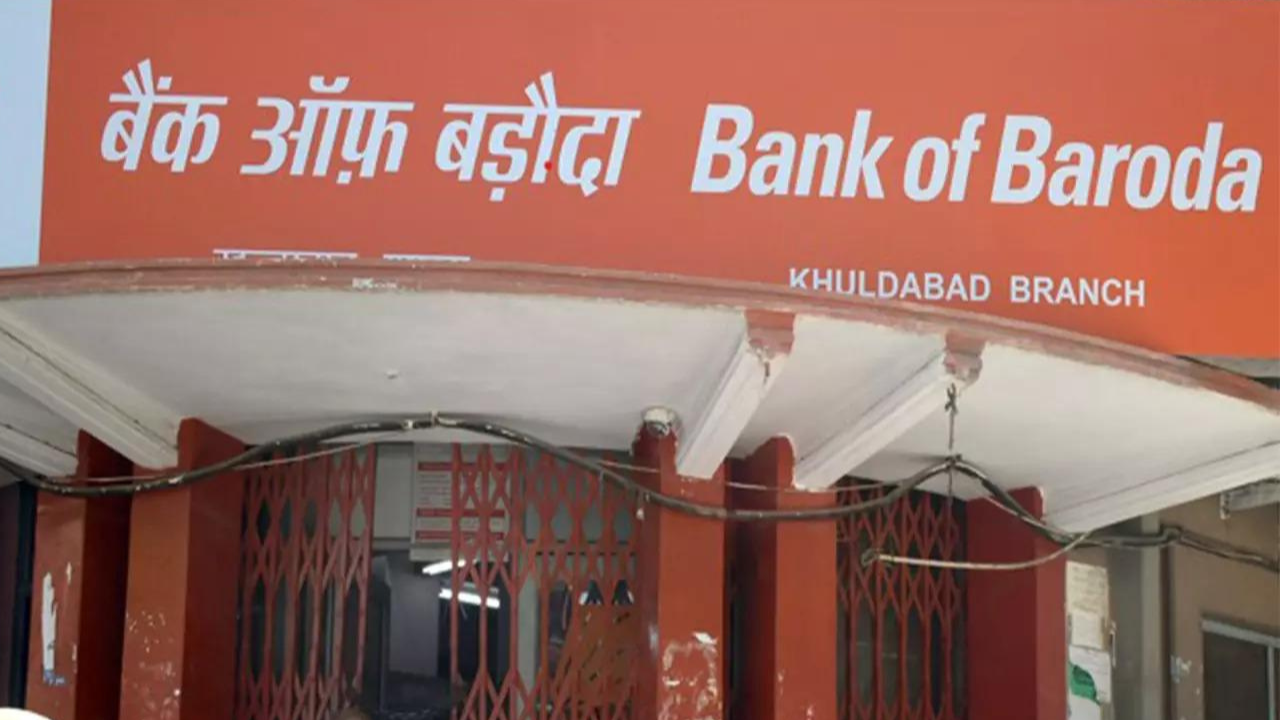
Bank of Baroda has resolved a protracted legal battle by agreeing to settle $600 million with administrators managing the failed NMC Health group's creditors. The out-of-court agreement marks the conclusion of years of complex litigation spanning cross-border insolvency issues and fraud allegations that emerged following NMC Health's collapse in 2020.
The settlement will see funds distributed among creditors who suffered losses when the healthcare conglomerate imploded. The arrangement avoids further court proceedings that could have extended the dispute indefinitely, providing relief to stakeholders waiting for resolution. Bank of Baroda's decision to settle reflects a pragmatic approach to resolving the outstanding claims without prolonged legal costs.
NMC Health's 2020 downfall sent shockwaves through India's corporate sector, involving substantial debt and allegations of financial impropriety. Multiple creditors, including banks and institutional investors, faced significant losses. The case highlighted vulnerabilities in corporate governance and cross-border transaction oversight during the period preceding the company's bankruptcy.
This settlement demonstrates the banking sector's efforts to resolve legacy disputes efficiently. For Bank of Baroda, the payment represents closure on a contentious liability. Market observers noted reactions in the bank's share price following the announcement, reflecting investor concerns about the financial impact and resolution timing.
The resolution benefits creditors who have awaited compensation for nearly four years since NMC Health's dramatic failure. It also provides regulatory clarity regarding banks' liability in complex insolvency situations involving alleged fraudulent practices. The settlement may set precedents for managing similar cross-border insolvency cases in India's evolving corporate legal framework.