Ancient ritual circle discovered beneath Scottish island using advanced scanning
Archaeologists have uncovered a 5,000-year-old ceremonial site on Scotland's Isle of Arran using geophysical technology, revealing 12 underground pits that suggest Neolithic or Bronze Age timber structures once stood at the location.

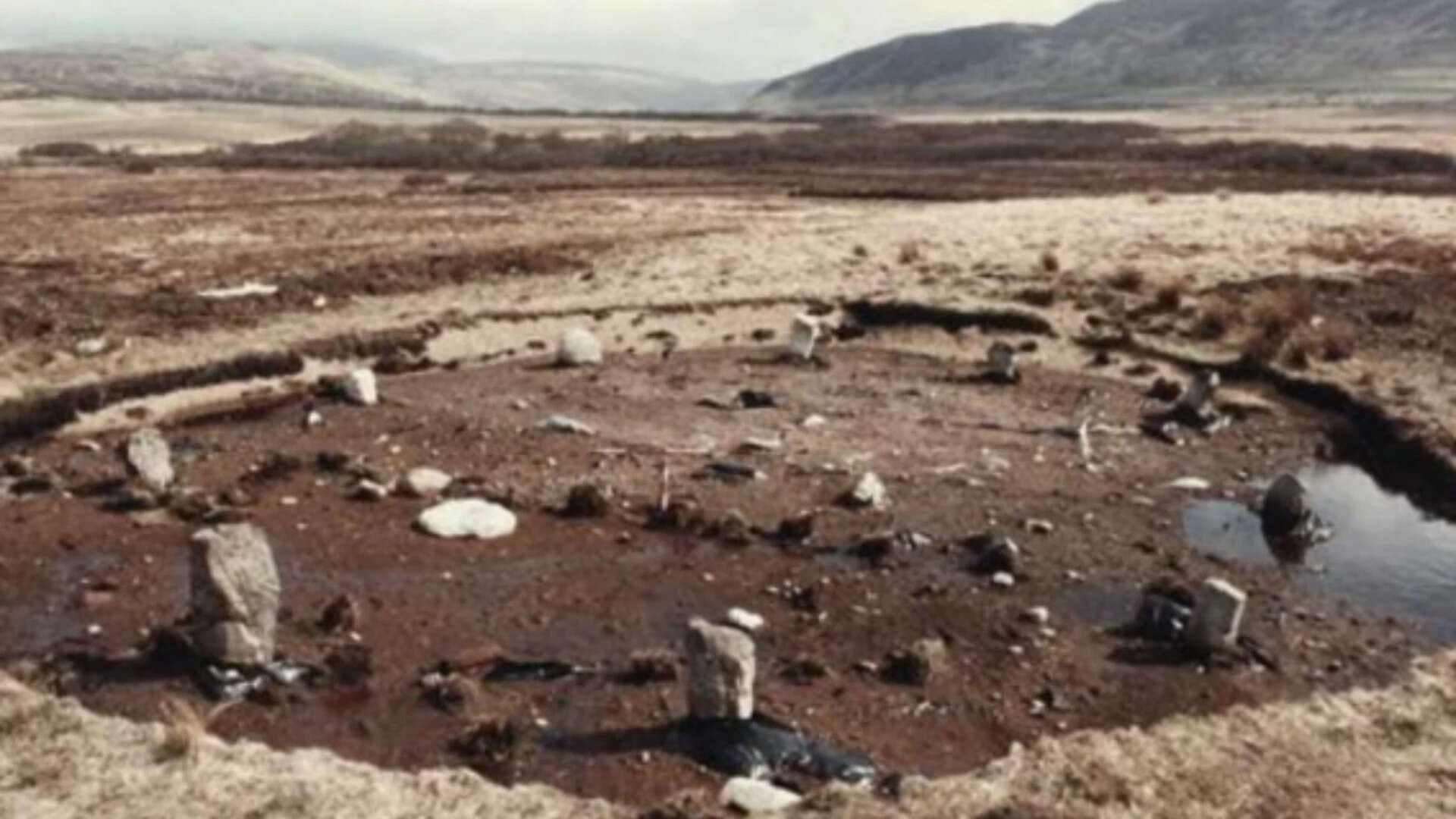
Archaeologists working on Scotland's Isle of Arran have made a significant discovery that sheds new light on ancient ceremonial practices in Britain. Using advanced geophysical scanning technology, researchers have identified a 5,000-year-old ritual circle buried beneath the peat layers of Machrie Moor, without requiring any invasive excavation.
The discovery consists of a ring formation composed of 12 underground pits arranged in a deliberate pattern. Based on the archaeological evidence and the site's characteristics, experts believe the pits date back to either the Neolithic period or the Bronze Age. The find is particularly noteworthy because it was located through non-invasive scanning methods, allowing archaeologists to map the site's structure while preserving it intact for future study and potential excavation.
Machrie Moor already boasts a rich archaeological history, with multiple known sites of ancient significance scattered across its landscape. This new discovery adds another layer to the understanding of how ancient communities used this area for spiritual and ceremonial purposes. The ring of pits likely once supported timber structures that formed part of a larger ritual complex, suggesting that this location held considerable importance for prehistoric peoples. The arrangement and spacing of the pits indicate careful planning and organisation, reflecting the sophisticated understanding these ancient peoples had of space and ceremony.
The use of geophysical scanning technology represents a modern advancement in archaeological research, allowing scientists to detect subsurface features and anomalies without disturbing the ground. This approach has proven particularly valuable at sites like Machrie Moor, where peat preservation can protect organic materials and maintain the integrity of ancient landscapes.
The discovery contributes to the broader body of knowledge about prehistoric Britain and the ritual practices that characterised Neolithic and Bronze Age societies. For researchers studying ancient ceremonial sites and burial practices, this find provides fresh insights into how communities across the British Isles conducted their spiritual and social gatherings thousands of years ago.