Scientists Discover Spider Disguised as Deadly Fungus in Amazon Rainforest
Ecuadorian researchers find spider species mimicking predatory fungus to survive in the wild.

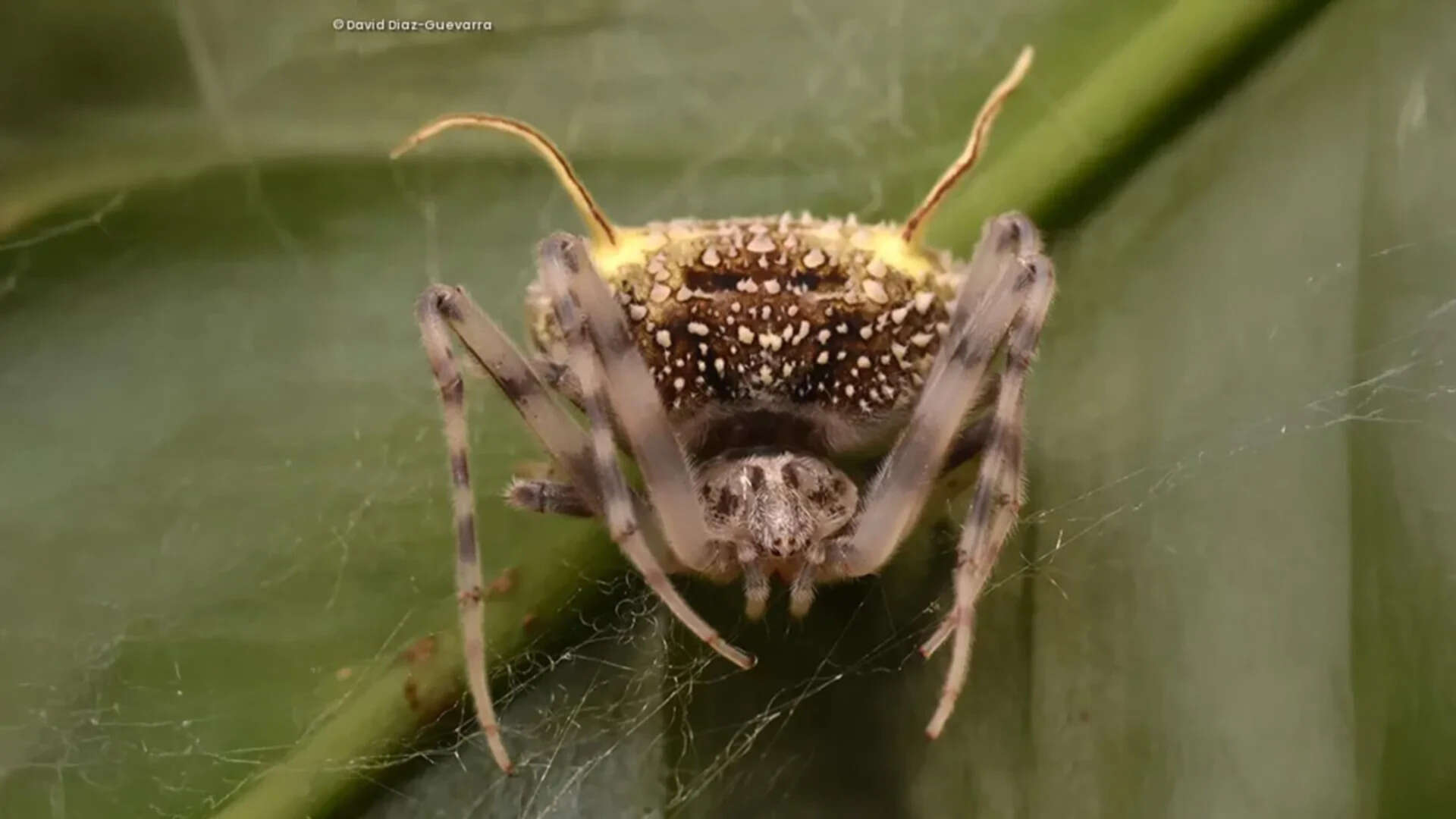
Researchers working in Ecuador's Amazon rainforest have made a remarkable discovery that challenges conventional understanding of animal camouflage. The newly identified spider species, Taczanowskia waska, has evolved an extraordinary ability to disguise itself as a fungus that typically hunts spiders—a deceptive adaptation so convincing that scientists initially mistook the spider for its fungal lookalike.
The spider employs multiple survival strategies to maintain its disguise. Its pale coloration, fungus-like protrusions, and motionless posture create a near-perfect mimicry of the predatory fungus it imitates. This clever impersonation allows the arachnid to move undetected through its natural habitat, avoiding predators that would normally recognize and hunt spider species. The discovery gained prominence through contributions from citizen scientists who participated in field research efforts.
This finding highlights the incredible diversity and complexity of life in rainforest ecosystems. The Amazon rainforest harbors countless species that employ sophisticated survival mechanisms, many of which remain unknown to science. Such discoveries demonstrate how much remains to be understood about biodiversity and evolutionary adaptation in these critical habitats.
The research emphasizes the importance of continued exploration and documentation of rainforest species before they potentially disappear due to habitat loss. Understanding these unique adaptations provides valuable insights into evolutionary biology and the intricate relationships between predator and prey in nature's delicate balance.
Source: Times of India