Rare Eurasian Lynx Spotted in Sikkim via Camera Trap, Expanding Range
Wildlife researchers capture first confirmed image of elusive Eurasian lynx in northeastern India.

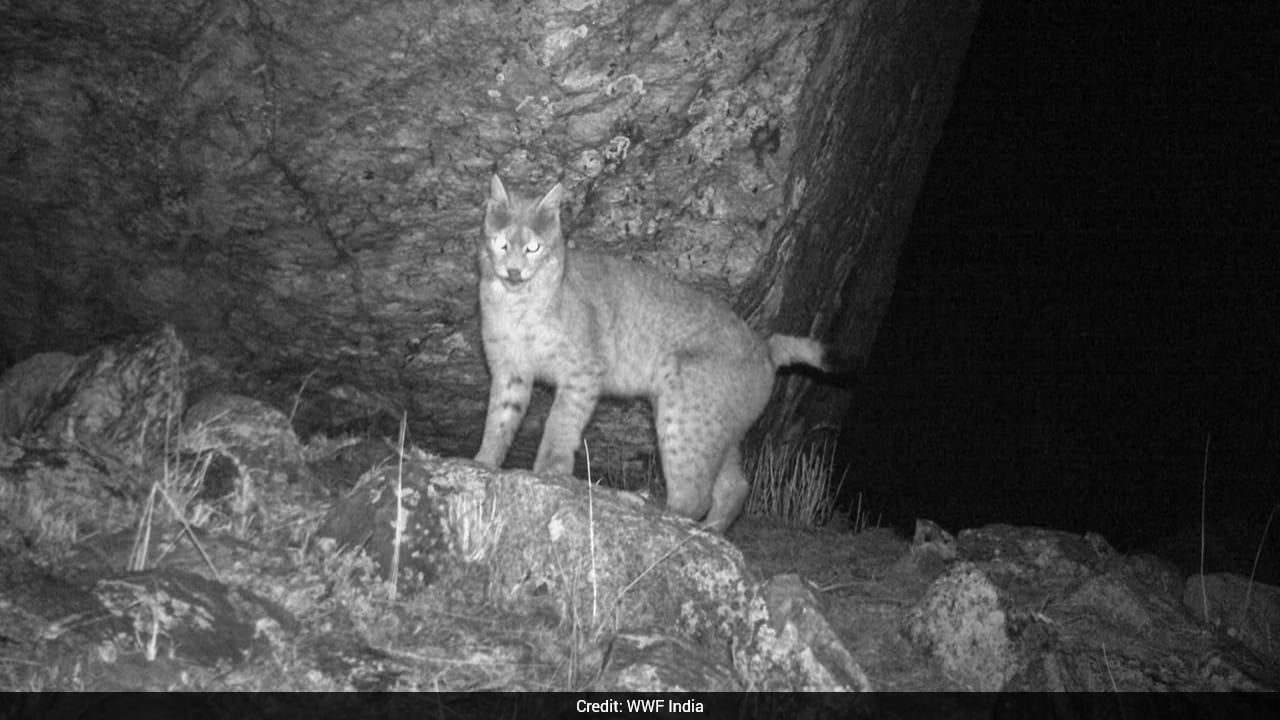
In a significant wildlife discovery, camera trap footage has documented the presence of a Eurasian lynx in Sikkim, marking the first definitive photographic evidence of the species in the region. This rare sighting suggests that the large wild cat is expanding its natural habitat range into northeastern India, an area previously thought to be beyond the animal's typical distribution zone.
The Eurasian lynx, a medium-sized wild feline known for its distinctive tufted ears and spotted coat, has historically inhabited the mountainous regions of Central Asia and parts of Eastern Europe. The camera trap documentation in Sikkim indicates that the species may be gradually extending its territorial boundaries eastward, possibly driven by changes in food availability, habitat conditions, or natural population dispersal patterns.
This discovery holds considerable importance for wildlife conservation efforts in India. Sikkim, with its diverse alpine and subtropical ecosystems, serves as a critical biodiversity hotspot. The presence of such apex predators indicates a healthy, functioning ecosystem with adequate prey species and pristine forest cover. The region's unique geographical position in the eastern Himalayas makes it particularly valuable for tracking species migration and range expansion.
The finding has prompted wildlife researchers and conservation agencies to intensify monitoring efforts across the northeastern states. Understanding whether this represents occasional movement or a sustained population presence will be crucial for developing appropriate management strategies. Additionally, confirming the presence of Palla's cat and other elusive felids in the region strengthens the case for enhanced wildlife protection initiatives.
Conservation experts emphasize that such discoveries underscore the importance of maintaining connectivity between protected areas and preserving forest corridors. These habitats serve as critical pathways for wildlife movement across borders and regions, supporting genetic diversity and species survival in the face of environmental challenges.
Source: NDTV