Ancient Wooden Monument May Have Been Built to Extend Summer, Study Reveals
4,000-year-old Seahenge structure possibly created as ritual to prolong warm weather, researchers suggest.

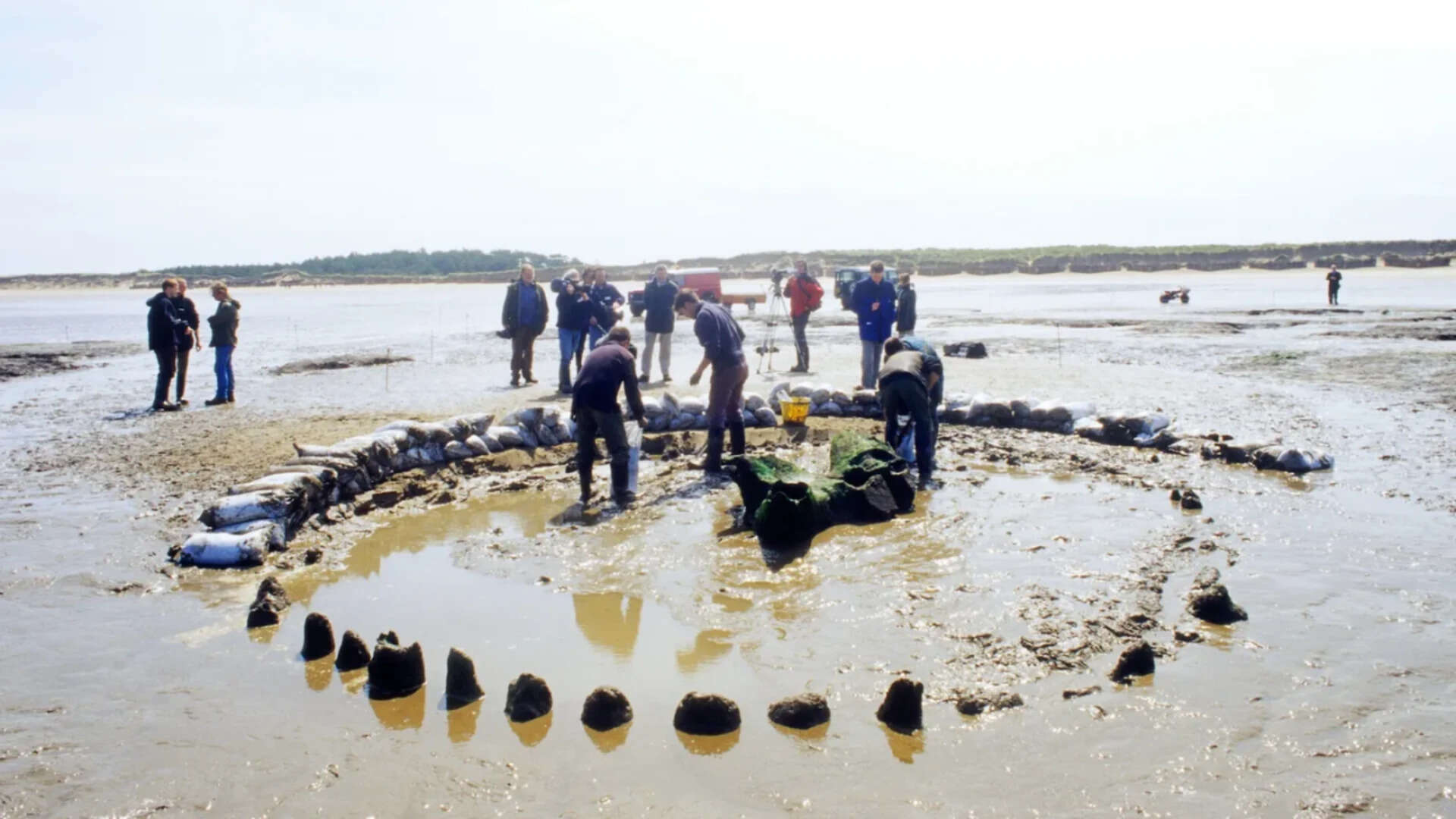
Archaeologists have uncovered a compelling new theory about Seahenge, a mysterious 4,000-year-old wooden monument situated along England's Norfolk coast. According to recent research, the ancient timber circle may not have served as a simple burial site, but rather as an elaborate ritual structure designed to combat harsh winters. The groundbreaking study suggests that prehistoric communities built this monument with the specific intention of extending summer and restoring warmth during brutal cold periods.
Archaeologist David Nance, who led the investigation, proposes that Seahenge and a related structure were constructed as ceremonial efforts rooted in ancient belief systems. By combining climate evidence with mythological interpretations, researchers have identified a compelling connection between environmental pressures and ritual practices. The discovery indicates that early communities possessed sophisticated understanding of seasonal patterns and attempted to address climate challenges through symbolic constructions.
This theory fundamentally transforms scholarly perspective on Seahenge's purpose and significance. Rather than viewing prehistoric monuments solely through the lens of death rituals, experts now recognize them as responses to genuine survival challenges. The wooden structure reveals how ancient populations grappled with environmental stress and translated those concerns into religious and ceremonial practices.
The findings underscore the ingenuity of prehistoric societies in addressing climate adversity. Ancient communities across various regions employed similar strategies—combining practical knowledge with spiritual beliefs to navigate environmental hardships. Such discoveries remind us that our ancestors possessed complex reasoning abilities and developed sophisticated responses to natural challenges threatening their survival and prosperity.
This research adds another dimension to understanding how early human societies perceived and responded to climatic variations, offering fresh insights into the motivations behind monumental constructions that have mystified scholars for centuries.