Shreyas Iyer's Bold Batting Call Against England Leaves Karthik Puzzled
India's captain chose to bat first in overcast conditions during the T20I opener against England, a decision Dinesh Karthik attributes to lessons—or mistakes—from their recent Ireland series. The gamble paid off with 189 runs on the board before rain halted play.

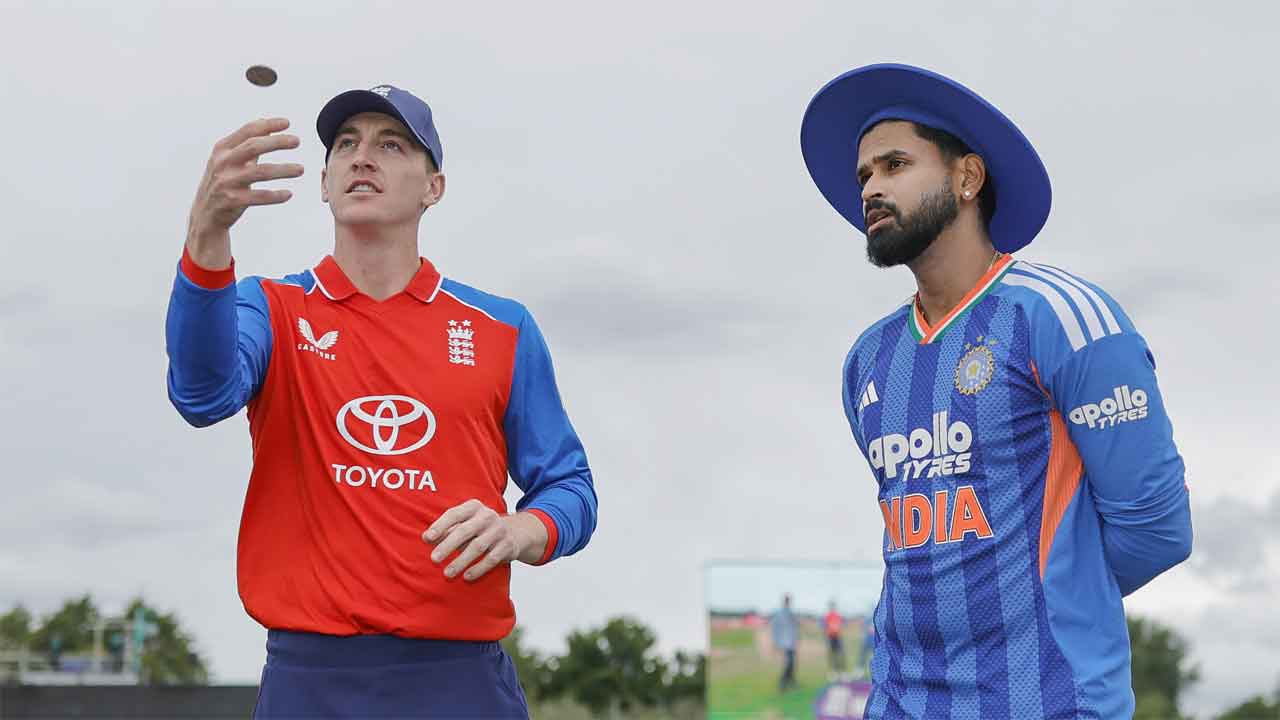
India's cricket team made a head-turning tactical decision at the start of their opening T20 International against England, electing to bat first despite conditions that traditionally favour the bowling side. Captain Shreyas Iyer's call to put the bat first in overcast skies raised eyebrows among former players and analysts, though the strategy ultimately delivered results as India posted a competitive total of 189 runs for the loss of seven wickets before rain forced the match to be abandoned.
Former India wicket-keeper Dinesh Karthik weighed in on the decision, suggesting that the team's recent series defeat to Ireland may have influenced Iyer's thinking on the toss. Karthik referred to this mindset as an 'Ireland hangover'—implying that lessons from their failed campaign across the Irish fixtures were still fresh in the decision-makers' minds and may have altered their usual approach to conditions and toss strategy. The phrase suggests that rather than sticking to conventional wisdom about batting in overcast conditions, India chose to seize the initiative and bat aggressively regardless of the weather outlook.
The decision bore fruit as India's batsmen stepped up to the plate. The team accumulated a strong 189-run total, demonstrating that even in challenging conditions, attacking intent could yield positive results. More significantly, the match provided Captain Iyer with a personal achievement—he crossed the 5,000-run milestone across all international formats during his knock, cementing his status as an established performer in India's cricket setup across ODIs, T20Is, and Test cricket.
However, rain intervened before England could begin their chase, resulting in the match being abandoned as a no-result. This meant neither team could claim victory, though India's performance with the bat suggested they had backed themselves effectively in difficult circumstances.
The toss decision has become a talking point in cricket circles, with analysts debating whether Iyer's call was bold captaincy or a risky move that happened to work out. Karthik's observation points to the reality that recent team experiences and results shape decision-making in international cricket, even when conventional cricket wisdom might suggest a different approach. As India prepares for the remainder of the T20I series against England, how Iyer continues to approach similar situations could define the team's campaign.