Supreme Court Strikes Down NCLT Orders Based on Fake AI Citations
SC nullifies tribunal rulings relying on fabricated AI-generated case laws, warns against unverified precedents.
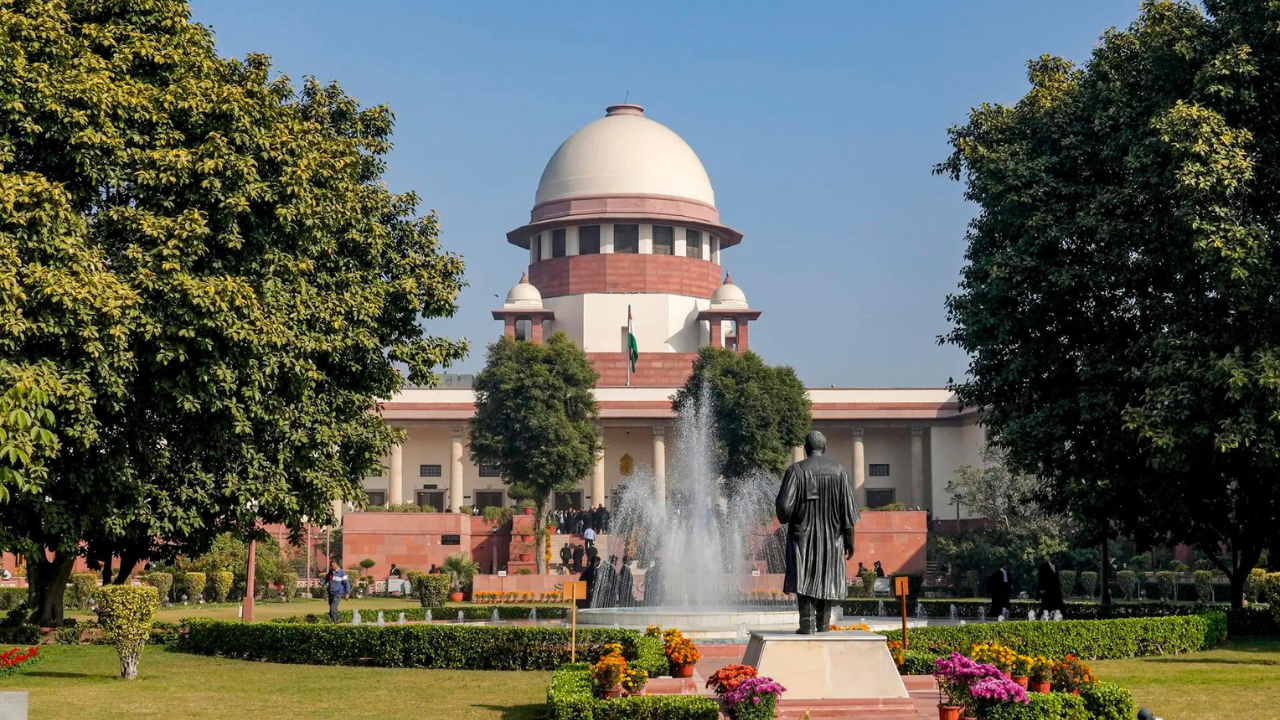
The Supreme Court has taken decisive action against the use of unreliable artificial intelligence in judicial proceedings, invalidating multiple orders issued by the National Company Law Tribunal (NCLT) and National Company Law Appellate Tribunal (NCLAT) that depended on AI-generated case citations that turned out to be fabricated.
The bench of justices expressed serious concerns about the unchecked integration of AI tools in legal decision-making processes. They underscored that while technology can assist in administrative tasks, human judgment and accountability must remain central to the administration of justice. The court made it explicitly clear that any judicial order relying on unverified or falsified AI-generated precedents would be deemed invalid and subject to reversal.
This ruling addresses a growing problem in India's legal system where AI tools are increasingly being used to research case law and support judicial reasoning. The Supreme Court's intervention highlights the dangers of delegating critical analytical and interpretive functions to algorithms without proper verification mechanisms. Such incidents underscore the need for robust safeguards in legal technology adoption.
The implications are significant for all subordinate courts and tribunals across India. The decision establishes that AI citations must be independently verified against authentic legal databases before being used as grounds for judicial orders. Any reliance on unconfirmed AI-generated legal materials puts the integrity of judicial decisions at risk.
To address this systemic issue, the Supreme Court has ordered the formation of a specialized committee to examine protocols for AI usage in legal proceedings. This committee will likely develop guidelines ensuring that technological tools enhance rather than replace human reasoning in the justice delivery system. The ruling sends a strong message that courts must maintain human oversight and verification at every stage of decision-making, regardless of technological advancement.