
Must-See Tourist Attractions in Mumbai
A local's guide to Mumbai's top sights — Gateway of India, Elephanta Caves, CSMT and Marine Drive — with timings, rough prices and smart routes to plan a trip.
'%3E%3Crect%20width%3D'96'%20height%3D'96'%20fill%3D'%23B3261E'%2F%3E%3Ccircle%20cx%3D'30'%20cy%3D'24'%20r%3D'44'%20fill%3D'%23fff'%20opacity%3D'.12'%2F%3E%3Ccircle%20cx%3D'60'%20cy%3D'74'%20r%3D'40'%20fill%3D'%23000'%20opacity%3D'.10'%2F%3E%3C%2Fg%3E%3Cg%20fill%3D'%23fff'%3E%3Crect%20x%3D'29'%20y%3D'49'%20width%3D'8'%20height%3D'19'%20rx%3D'1'%2F%3E%3Crect%20x%3D'39'%20y%3D'40'%20width%3D'9'%20height%3D'28'%20rx%3D'1'%2F%3E%3Crect%20x%3D'50'%20y%3D'45'%20width%3D'8'%20height%3D'23'%20rx%3D'1'%2F%3E%3Crect%20x%3D'60'%20y%3D'53'%20width%3D'7'%20height%3D'15'%20rx%3D'1'%2F%3E%3Crect%20x%3D'41'%20y%3D'34'%20width%3D'5'%20height%3D'6'%2F%3E%3C%2Fg%3E%3C%2Fsvg%3E)
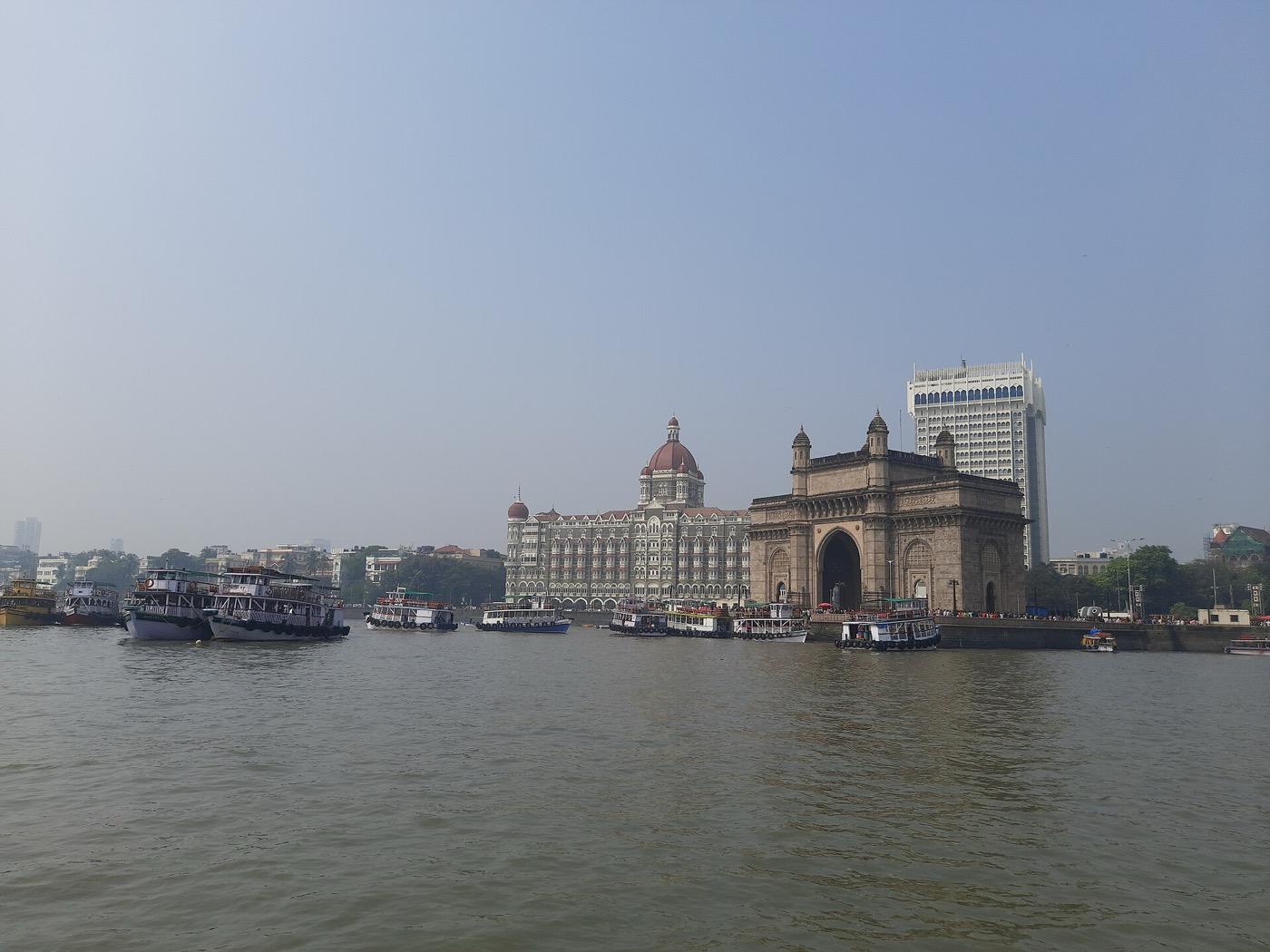
Photo: Wikimedia Commons · CC BY-SA 4.0 · via Wikimedia Commons
Mumbai does not ease you in. It arrives all at once: the sea, the crowds, the colonial arches, the temple bells, the smell of frying vada pav on a corner you didn’t know you needed. For a first-time visitor that energy can feel overwhelming, so this guide sorts the city’s headline attractions by area, tells you honestly what each one is, and shows you how to string them together without spending your holiday stuck in traffic.
Mumbai attractions quick reference
| Attraction | Area | Approx cost (₹) | Best time | Nearest station |
|---|---|---|---|---|
| Gateway of India | Colaba | Free | Sunrise / golden hour | Churchgate / CSMT |
| Elephanta Caves | Harbour island | Ferry + site fee | Morning ferry (closed Mon) | Gateway ferry jetty |
| CSMT | Fort | Free (exterior) | Daytime | CSMT |
| Marine Drive & Chowpatty | South Mumbai | Free | Sunset | Charni Road / Churchgate |
| Siddhivinayak | Prabhadevi | Free | Early, avoid Tuesday | Dadar |
| Haji Ali Dargah | Worli | Free | Low tide, cooler hours | Mahalaxmi |
| Sanjay Gandhi NP / Kanheri | Borivali | Park fee | Early morning (closed Mon) | Borivali |
A quick note on getting around before we start. Mumbai’s local trains and the growing Metro are the fastest way to cover long distances, while app-based cabs and autorickshaws (autos don’t run in the island city’s southernmost zone) handle short hops. Keep some cash for temples, street food and entry tickets, and expect small “camera” or footwear-storage charges here and there.
South Mumbai: the colonial and coastal heart
If you only have a day, spend it here. Most of the postcard Mumbai sits within a walkable-to-a-short-cab-ride stretch of the southern peninsula.
Gateway of India
The Gateway is where almost everyone begins. This grand basalt arch on the Apollo Bunder waterfront was built to mark a royal visit in the early 20th century and has since become the city’s unofficial symbol. It faces the harbour, framed by the grand Taj Mahal Palace hotel behind you.
- What to do: Walk the plaza, watch the boats, take photos in the early morning before the crowds and heat build.
- Timings: The public plaza is open through the day; go at sunrise or golden hour.
- Cost: Free to visit. Boat operators nearby run short harbour rides for a modest fee.
- Tip: This is also the ferry point for Elephanta, so you can combine the two.
Elephanta Caves
A ferry ride across the harbour takes you to Elephanta Island and its rock-cut cave temples, a UNESCO World Heritage Site famous for the monumental three-headed Shiva sculpture (Trimurti). It is one of the most rewarding half-day trips from the city.
- Getting there: Ferries leave from the Gateway of India; the crossing takes roughly an hour each way. A small toy train covers the short stretch from the jetty to the base of the steps for a few rupees.
- Timings: Typically open in the daytime and closed on Mondays, so plan around that.
- Cost: Budget for a return ferry ticket plus a separate site entry fee (higher for foreign nationals than for Indian visitors). Carry water and wear good shoes for the climb.
- Tip: Catch a morning ferry so you’re back before the afternoon heat and the last return boats.
Chhatrapati Shivaji Maharaj Terminus (CSMT)
Formerly Victoria Terminus, CSMT is a working railway station and a UNESCO World Heritage Site, a riot of Victorian Gothic and Indian detailing with gargoyles, domes and stained glass. It is arguably the most beautiful station you’ll ever pass through.
- What to do: Admire the exterior facade (best photographed from across the road), and if you’re catching a train, look up inside the concourse.
- Cost: Free to view from outside. There are occasionally guided heritage visits to interior sections.
- Tip: Combine it with a walk through the surrounding Fort district and the Kala Ghoda arts precinct.
The Fort and Kala Ghoda walk
Between CSMT and the Gateway lies Fort, the old business district, and Kala Ghoda, the city’s arts quarter. This is prime walking territory: heritage buildings, galleries, boutique shops and some of the best cafés in town.
- Don’t miss: The elegant crescent of Horniman Circle, the University of Mumbai’s Rajabai Clock Tower nearby, and the many street-side book and art stalls.
- Where to eat: The historic Irani cafés around here are an institution. Order bun maska with chai, or a plate of berry pulao if you find a Parsi eatery.
Marine Drive and Chowpatty
As evening falls, head to Marine Drive, the sweeping seafront promenade known as the “Queen’s Necklace” for the way its streetlights curve around the bay after dark. At the northern end sits Girgaum Chowpatty, a lively beach best experienced for its food rather than swimming.
- What to do: Sit on the parapet, feel the sea breeze, watch the sunset. It’s free and unforgettable.
- What to eat: Bhelpuri, sevpuri and pav bhaji from the Chowpatty stalls; finish with a kulfi.
- Tip: Weekends get busy. A weekday evening is calmer and just as beautiful.
Museums and galleries
South Mumbai holds the city’s cultural heavyweights.
- Chhatrapati Shivaji Maharaj Vastu Sangrahalaya (the former Prince of Wales Museum): a landmark museum with sculpture, miniature paintings and decorative arts inside a domed Indo-Saracenic building. Expect a modest entry fee, higher for foreign visitors, with an extra charge for cameras. Usually open daily.
- Jehangir Art Gallery in Kala Ghoda: free rotating exhibitions of contemporary Indian art.
- Dr Bhau Daji Lad Museum in Byculla: the city’s oldest museum, beautifully restored, covering Mumbai’s history and decorative arts, next to the Byculla Zoo.
Temples and places of worship
Mumbai’s spiritual landmarks are as central to the city’s identity as its architecture. Dress modestly, remove your shoes where required, and expect security checks and queues at the busiest spots.
Siddhivinayak Temple, Prabhadevi
One of India’s most visited Ganesh temples, Siddhivinayak draws enormous devotion, especially on Tuesdays, which get extremely crowded. The inner sanctum’s gold-plated dome and the presiding idol are the highlights.
- Timings: Open from very early morning until late at night, with slightly different hours on Tuesdays.
- Cost: Free to enter. Paid faster-darshan arrangements exist; be wary of touts outside.
- Tip: Phones and bags may need to be checked in. Go early on a weekday to avoid the longest lines.
Haji Ali Dargah, Worli
Perched on an islet off the Worli coast, this white marble mosque and tomb is reached by a long causeway that is submerged at high tide, so your visit is timed by the sea itself. It is stunning against the water, particularly near sunset.
- Timings: Accessible during low tide; check tide timings before you go, as the causeway floods.
- Cost: Free. Vendors along the causeway sell flowers, prayer offerings and snacks.
- Tip: The walk out can be hot and exposed. Carry water and go in the cooler part of the day.
Mount Mary Church and others
In Bandra, the Basilica of Our Lady of the Mount (Mount Mary Church) is a serene hilltop church with sweeping views, famous for its September fair. Across the city you’ll also find the tranquil Global Vipassana Pagoda near Gorai and the ISKCON temple in Juhu.
Beyond the centre: gardens, beaches and the wild
Mumbai isn’t only concrete and colonial stone. A few trips north and inland reward you with green space and even a national park inside the city.
Sanjay Gandhi National Park and Kanheri Caves
In the northern suburbs lies a genuine national park within city limits, complete with forest trails, a lion and tiger safari zone, and the ancient rock-cut Kanheri Caves, Buddhist monastic cells and prayer halls carved over centuries.
- Timings: Open daytime hours; closed on Mondays.
- Cost: A modest park entry fee, with separate charges for the safari and the toy train.
- Tip: Start early. It’s a big park and the caves involve some walking and climbing.
Juhu Beach
North of the centre, Juhu is Mumbai’s most famous beach, less about swimming and more about the carnival of food stalls, joyrides and evening crowds. It’s also close to the celebrity-heavy suburbs, so half the fun is people-watching.
- What to eat: Pav bhaji, pani puri, roasted corn and Mumbai-style Chinese from the stalls.
- Tip: Sunset is the moment. Keep an eye on your belongings in the crowds.
Bandra: sea forts, street art and cafés
Bandra rewards wandering. Walk out to Bandra Fort (Castella de Aguada) for views of the Bandra-Worli Sea Link, hunt down the colourful murals of the Chapel Road and Ranwar village lanes, and settle into one of the neighbourhood’s many cafés. It’s the city’s most quietly charismatic district.
Suggested routes
One day (South Mumbai classic): Start at CSMT for photos, walk through Fort and Kala Ghoda with a museum stop, break for lunch at an Irani café, taxi to the Gateway of India, then finish along Marine Drive to Chowpatty for sunset and street food.
Two days: Give day one to South Mumbai as above. On day two, take a morning ferry to Elephanta Caves, return by early afternoon, then head north to Haji Ali (tide permitting) and Siddhivinayak, closing with dinner in Bandra or Juhu.
Three days or more: Add Sanjay Gandhi National Park and Kanheri Caves, the Dr Bhau Daji Lad Museum in Byculla, and a slow half-day exploring Bandra’s forts, murals and cafés.
Monsoon caveat
From June to September the sea turns spectacular and the whole city greens up, but the rains reshape any itinerary. Elephanta ferries can be cancelled in rough weather, so keep that day flexible. The sea is dangerous — watch the waves from behind the Marine Drive and Bandstand parapets, never from the rocks or the tetrapods. Expect train and traffic delays, carry a compact umbrella and quick-dry shoes, and lean into the indoor sights — the museums and Irani cafés are made for a wet afternoon.
Insider tips to plan your visit
- Cluster by area, not by checklist. Crisscrossing the city eats your day in traffic; South Mumbai on one day, the north on another.
- Do outdoor sights early. Elephanta, the national park and Haji Ali are far better in the cool morning hours.
- Check the day of the week. Elephanta and the national park close Mondays; Siddhivinayak is mobbed on Tuesdays; Haji Ali is tide-timed.
- Carry small cash, water and modest clothing for temples and dargahs, plus a little change for camera and shoe-storage fees.
- Leave room to do nothing. An hour on the Marine Drive parapet watching the city breathe is, as much as any monument, the real Mumbai.
Frequently Asked Questions
What are the top must-see attractions in Mumbai?
The Gateway of India, Elephanta Caves, Chhatrapati Shivaji Maharaj Terminus (CSMT), the Fort and Kala Ghoda heritage quarter, Marine Drive and Chowpatty, plus Siddhivinayak and Haji Ali. Most of the headline sights cluster in South Mumbai and can be walked or short-cabbed in a single day.
How many days do you need to see Mumbai?
Two to three days covers the essentials. Spend day one on South Mumbai (Gateway, Fort, Marine Drive), day two on a morning ferry to Elephanta plus Haji Ali and Siddhivinayak, and a third day on Sanjay Gandhi National Park, the Byculla museum and Bandra's forts and cafés.
Which Mumbai attractions are closed on Mondays?
Elephanta Caves and Sanjay Gandhi National Park (with the Kanheri Caves) both close on Mondays, and the NGMA museum shuts Mondays too. Siddhivinayak is busiest on Tuesdays and Haji Ali's causeway floods at high tide, so always check the day and the tide before you go.
How do I get to Elephanta Caves?
Ferries leave from the Gateway of India and take roughly an hour each way. A small toy train covers the short stretch from the jetty to the base of the steps. Budget for a return ferry ticket plus a separate site entry fee, catch a morning boat, and note the caves close on Mondays.
Is Mumbai safe and easy to get around for tourists?
Yes. The local trains and growing Metro cover long distances fast, while app cabs and autorickshaws handle short hops (autos don't run in the southernmost island city). Keep small cash for temples, tickets and street food, dress modestly at religious sites, and watch your belongings in crowds.