India maintains suspension of Indus Waters Treaty over Pakistan terrorism support
India has reiterated its firm stance that the Indus Waters Treaty will remain suspended until Pakistan stops backing cross-border terrorist activities. The Ministry of External Affairs emphasised this position follows major security concerns.

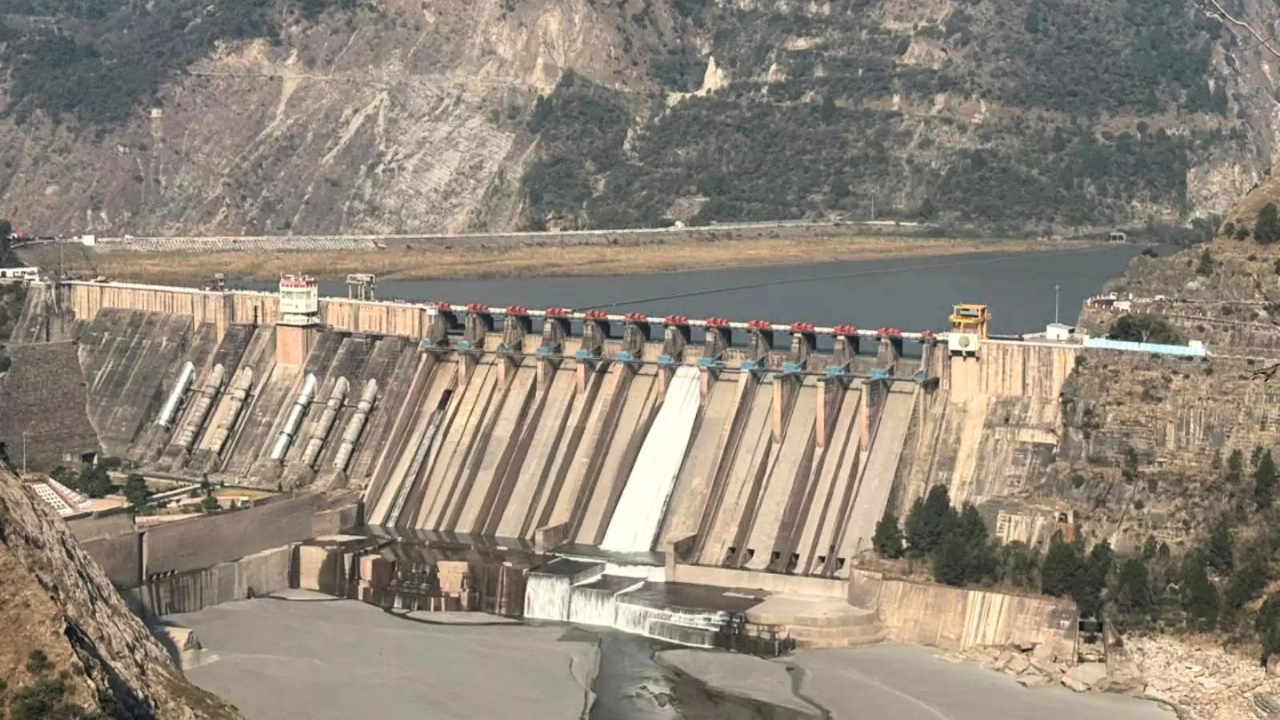
India has made clear that the Indus Waters Treaty will continue to remain suspended as long as Pakistan persists in supporting cross-border terrorism, the Ministry of External Affairs confirmed on Tuesday.
The government's position reflects a hardened stance on bilateral relations following heightened security tensions. Officials from the Ministry of External Affairs stressed that the suspension of the treaty is a direct consequence of Pakistan's alleged continued sponsorship of terrorist organisations conducting attacks across the Indian border. The statement underscores New Delhi's resolve to maintain this position until Pakistan takes concrete steps to end such activities completely and unequivocally.
This declaration builds on India's earlier assertion that 'blood and water cannot flow together,' a statement made in the aftermath of a significant cross-border attack. The phrase encapsulates India's position that normalisation of water-sharing arrangements cannot proceed while security threats persist. The Indus Waters Treaty, signed in 1960 between India and Pakistan with World Bank mediation, has historically been one of the few bilateral agreements that survived multiple wars and diplomatic breakdowns between the two nations.
The suspension of the treaty marks a significant escalation in India-Pakistan tensions. Water management and irrigation have long been contentious issues between the two nations, with the treaty governing the sharing of six rivers across the border. The abeyance of this agreement complicates water allocation to millions of farmers in both countries who depend on irrigation from these rivers for agricultural productivity.
India's firm stance reflects the government's prioritisation of national security over conventional diplomatic protocols. Officials have indicated that dialogue and normalisation on any front, including water-sharing arrangements, remain contingent upon Pakistan demonstrating tangible changes in its counter-terrorism policies and operations. The suspension effectively freezes technical and procedural mechanisms that have enabled water dispute resolution for over six decades.