China eyes new economic corridor spanning Bangladesh and Myanmar
Beijing pitches Bangladesh-Myanmar corridor mirroring Pakistan's CPEC model during PM's visit.
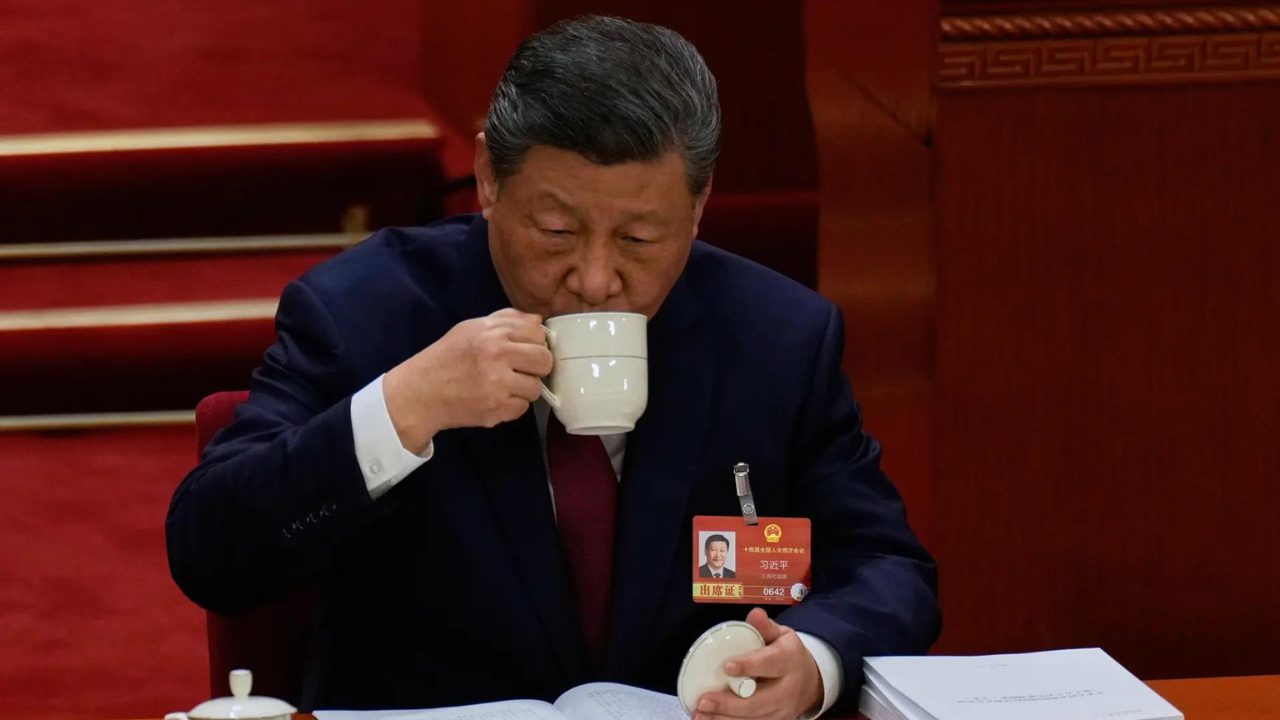
China is promoting a sweeping economic corridor connecting Bangladesh and Myanmar, modeled after its successful China-Pakistan Economic Corridor, as part of its broader regional infrastructure strategy. The proposal gained momentum during Bangladesh Prime Minister Sheikh Hasina's recent visit to Beijing, where officials discussed expanded trade partnerships and development projects across South Asia's eastern region.
The initiative focuses on enhancing connectivity through infrastructure development, with particular emphasis on port modernization. China is actively developing the Mongla port in Bangladesh as a key node in this corridor framework. Beijing has also signaled willingness to expand the project beyond these two nations, inviting other regional countries to participate in what officials describe as a transnational development initiative.
This corridor strategy reflects China's broader Belt and Road Initiative approach, which has successfully integrated multiple nations into its economic sphere through ports, railways, and trade networks. The Bangladesh-Myanmar corridor would strengthen China's presence in Southeast Asia while providing both nations with critical infrastructure and investment opportunities.
India has taken notice of the development, recognizing its strategic implications for the subcontinent's eastern flank. New Delhi views such economic initiatives as integral to regional geopolitics, particularly given their proximity to India's northeastern borders. The corridor's success could reshape trade dynamics and economic dependencies across South Asia.
The corridor represents Beijing's continued commitment to translating its economic power into regional influence, following the CPEC model that has transformed Pakistan's infrastructure landscape. As discussions advance, stakeholders across the region will monitor how this initiative evolves and impacts existing trade arrangements.
Source: Times of India