Canada Pushes Global Defence Alliance as Trump Questions NATO Commitment
Canada leads 10-nation effort to build independent defence fund amid US uncertainty.
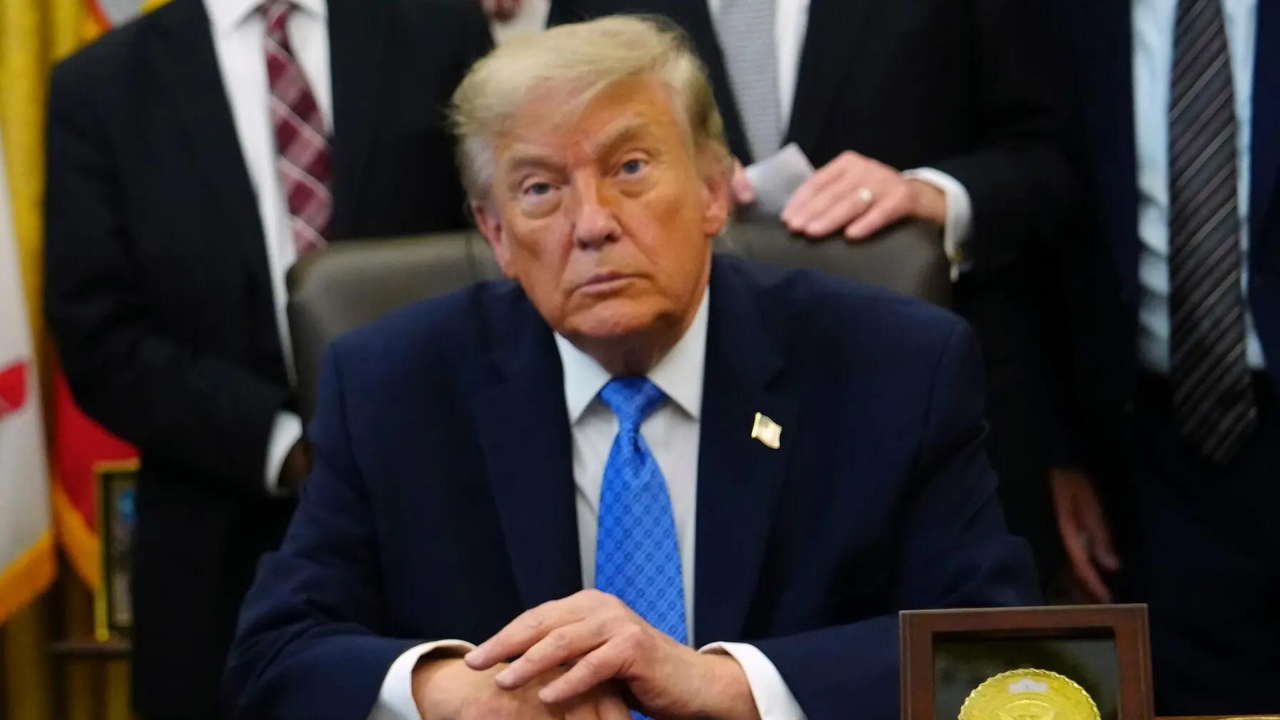
Canada is spearheading an ambitious initiative to create a multinational defence financing mechanism, seeking to reduce reliance on traditional alliances amid growing uncertainty over American commitment to NATO. The proposal, being developed with nine other nations, aims to establish a dedicated financial framework for collective security and military cooperation outside conventional structures.
The move comes as tensions escalate between the United States and NATO partners over defence spending expectations. Canadian officials argue that European and allied nations must prepare for a future where American security guarantees cannot be taken for granted. The 10-nation coalition is exploring mechanisms to pool resources, share defence capabilities, and coordinate military operations independently.
This development reflects a fundamental shift in global security thinking. For decades, NATO members relied on US military dominance and nuclear deterrence. However, recent political shifts in Washington have prompted allied nations to evaluate their strategic autonomy and develop backup arrangements for collective defence without American support.
For India and the broader Indo-Pacific region, this realignment has significant implications. A more independent European defence posture could reshape geopolitical alliances and influence how democratic nations respond to regional security challenges. It may also encourage India to strengthen its own strategic partnerships with like-minded democracies seeking to counterbalance rising authoritarian powers.
The initiative underscores growing recognition among democracies that institutional frameworks for defence cooperation must evolve. Rather than dismantling existing alliances, Canada's proposal suggests building parallel mechanisms that enhance collective capability while ensuring no single nation dominates the security architecture. As global tensions persist, such multilateral defence arrangements may become increasingly central to international stability.