Mumbai still India's least affordable housing market despite falling loan rates
Mumbai homebuyers spend nearly 70% of their income on mortgage payments, the highest in India. Lower interest rates have failed to ease the city's severe housing affordability crisis, new data shows.

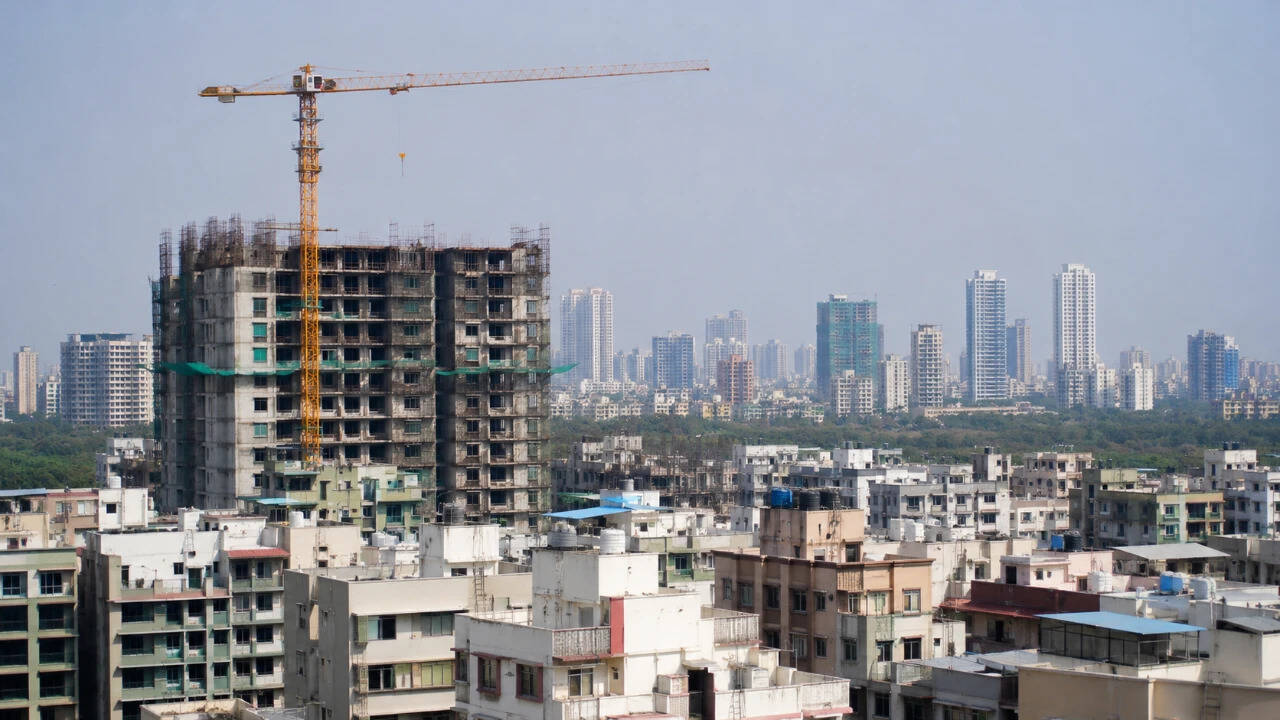
Mumbai continues to grapple with India's most severe housing affordability crisis, with prospective homebuyers forced to dedicate nearly 69% of their annual income towards loan repayments, a new analysis reveals.
According to a comprehensive report by Knight Frank India, the financial benefits of monetary easing and declining interest rates have failed to translate into relief for Mumbai's property buyers. While central banks have progressively lowered lending rates to stimulate economic activity, the city's persistently high property valuations have completely neutralised these gains. This means that even with cheaper borrowing costs, the underlying cost of acquiring residential property in Mumbai remains prohibitively expensive for most middle and upper-middle-class households.
The analysis indicates that housing affordability is measured against a benchmark threshold of 50% of annual household income. Mumbai and the National Capital Region (NCR) are the only two major metropolitan areas in India that continue to exceed this critical threshold, placing both regions in severe affordability distress. While other major Indian cities—including Bengaluru, Hyderabad, Pune, and Chennai—have seen marginal improvements in housing affordability metrics following interest rate cuts, the situation in Mumbai and surrounding areas of the Metropolitan Region (MMR) has remained stubbornly unchanged.
For residents of Mumbai, this persistent affordability challenge creates a significant barrier to homeownership. Middle-class families earning respectable incomes find themselves priced out of the market, while first-time homebuyers face an increasingly daunting prospect of securing property in the city. The situation forces many prospective buyers to either relocate to satellite towns in MMR's peripheral areas, delay their purchase indefinitely, or adjust their expectations significantly downward in terms of property size and location.
Experts warn that unless property prices in Mumbai moderate substantially or household incomes grow at significantly faster rates, the affordability gap will continue widening. The real estate sector faces growing pressure to acknowledge that lower interest rates alone cannot solve the fundamental mismatch between wages and property costs in the city.